Activating Your Body’s Inner Healing Specialist: Understanding the Healing Process
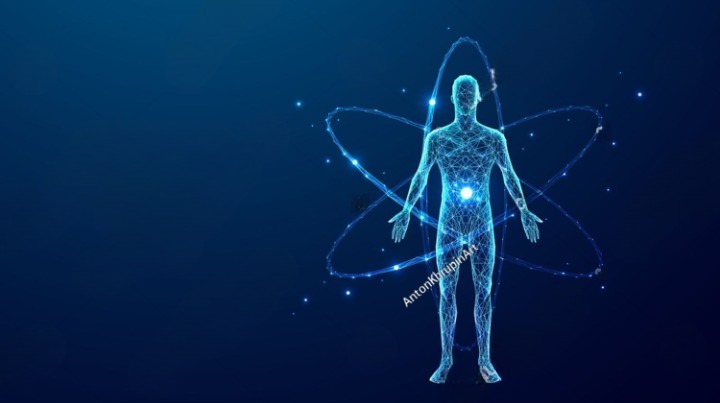
The human body possesses a remarkable innate ability to heal itself, orchestrating complex processes that restore tissues, repair damage, and maintain overall health. Here’s a breakdown of the key processes involved in the body’s natural healing mechanisms:
Inflammation
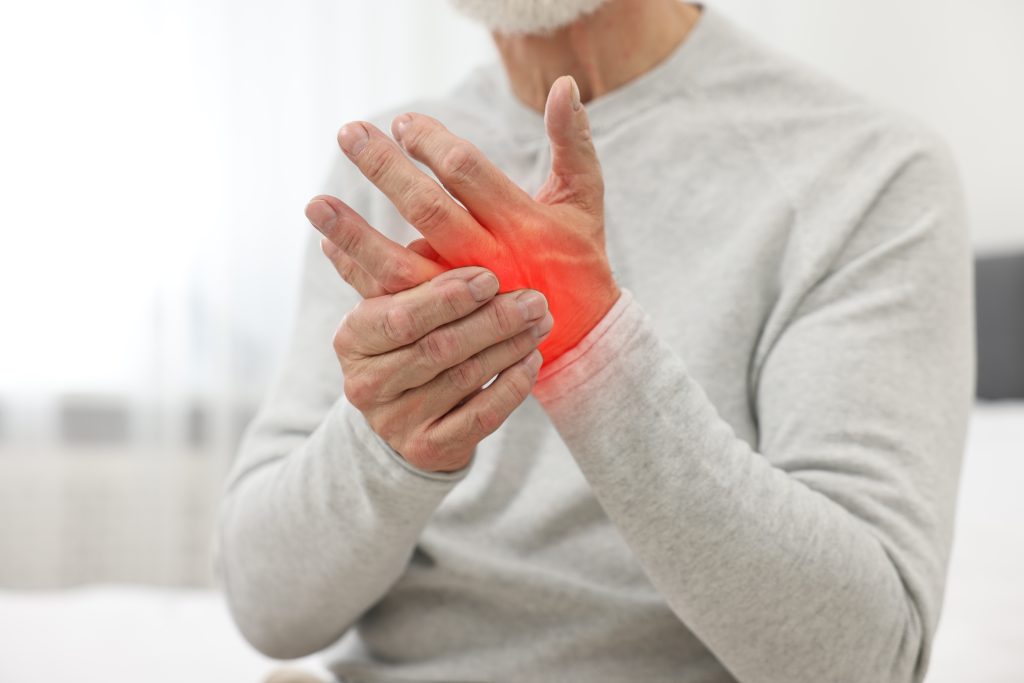
Inflammation is the body’s initial response to injury or infection. It serves to isolate and neutralize harmful agents, remove damaged cells and tissues, and initiate the healing process. This phase involves the release of cytokines, immune cells, and chemical signals that coordinate immune responses and promote tissue repair.
Regeneration and Repair
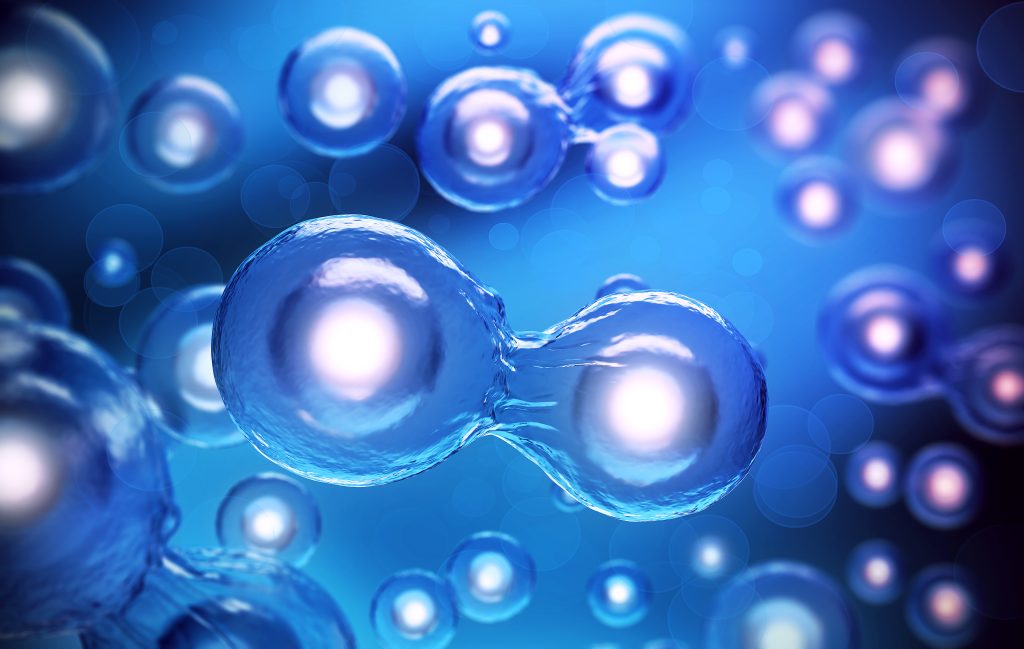
Once inflammation subsides, the regeneration and repair phase begins. Specialized cells such as fibroblasts proliferate to produce collagen and other extracellular matrix components, forming new tissue to replace damaged areas. This phase is crucial for restoring structural integrity and functionality to affected tissues.
Angiogenesis
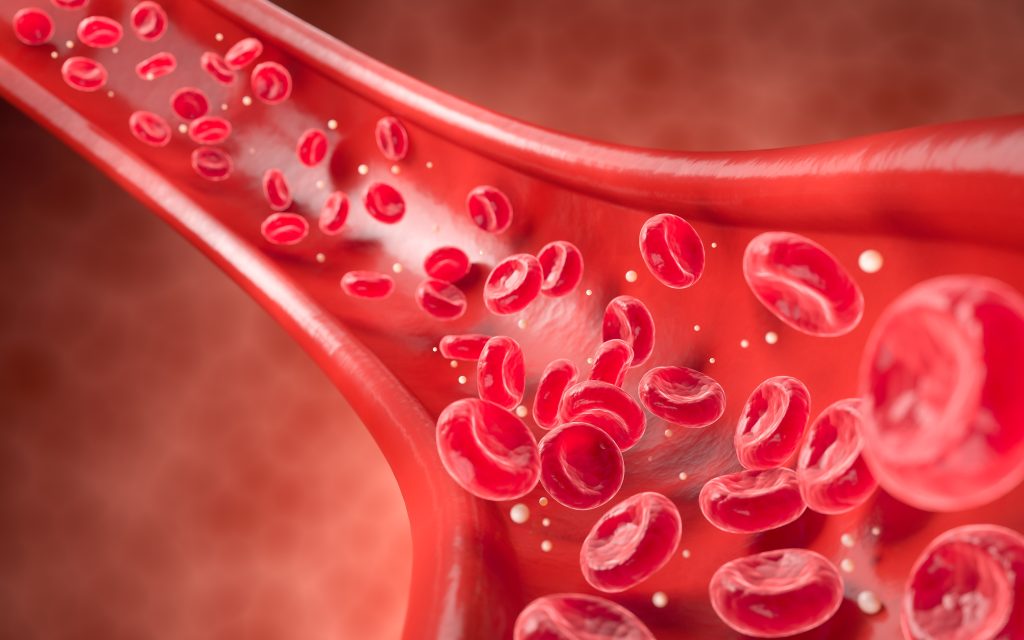
Angiogenesis refers to the formation of new blood vessels from existing ones. This process ensures adequate oxygen and nutrient supply to healing tissues, facilitating their repair and regeneration. Angiogenic factors released during inflammation stimulate endothelial cell growth and migration, initiating vessel formation.
Remodeling
Remodeling involves the maturation and organization of newly formed tissues to restore normal structure and function. Collagen fibers undergo cross-linking and alignment, enhancing tissue strength and elasticity. This phase may continue for months to years, optimizing tissue architecture and functional capacity.
How the Body Heals Itself
The body’s ability to heal itself is orchestrated through a highly coordinated interplay of cellular and molecular processes:
Cellular Communication
Immune cells, growth factors, and cytokines communicate and coordinate responses to injury or infection.
Stem Cell Activation
Stem cells residing in tissues contribute to regeneration by differentiating into specialized cell types needed for repair.
Immune Response
Macrophages and other immune cells clear debris, neutralize pathogens, and modulate inflammation to create an environment conducive to healing.
Extracellular Matrix Production Fibroblasts and other cells synthesize and remodel the extracellular matrix, providing structural support and signaling cues for tissue repair.
Harnessing the Body’s Healing Power
Understanding and supporting these innate processes are essential for optimizing health and recovery:
Nutrition
Providing adequate nutrients supports cellular function, collagen synthesis, and energy production critical for healing.
Chronic stress can impair immune function and delay healing; stress reduction techniques support optimal healing responses.
Conclusion
The human body’s ability to heal itself is a testament to its resilience and complexity. By nurturing and supporting these natural processes through lifestyle choices and medical interventions when necessary, we can empower the body’s inner healing specialist to achieve optimal health and well-being.
Embrace your body’s innate capacity for healing and cultivate a lifestyle that promotes and supports these processes—it’s your ultimate pathway to lasting health and vitality.