- Prof Dr Md Bipul Nazir
- September 30, 2025
- REGENactive
Mobility and Circulatory System Management: Ensuring Optimal Movement and Blood Flow
Maintaining effective mobility and a healthy circulatory system is essential for overall well-being, as both directly impact daily functionality, energy levels, and quality of life. Mobility refers to the ability to move freely and easily, while the circulatory system involves the heart, blood vessels, and blood flow. Proper management of these systems helps prevent injuries, enhance physical performance, and promote overall health. This guide provides a comprehensive overview of how to manage mobility and circulatory health through lifestyle choices, exercise, and preventive measures.
1. Understanding Mobility and the Circulatory System
1.1. Mobility
- Definition
Mobility refers to the ability to move and perform physical activities efficiently. It includes flexibility, strength, balance, and coordination.
- Importance
Good mobility reduces the risk of falls, improves physical performance, and supports overall independence.
1.2. Circulatory System
- Components
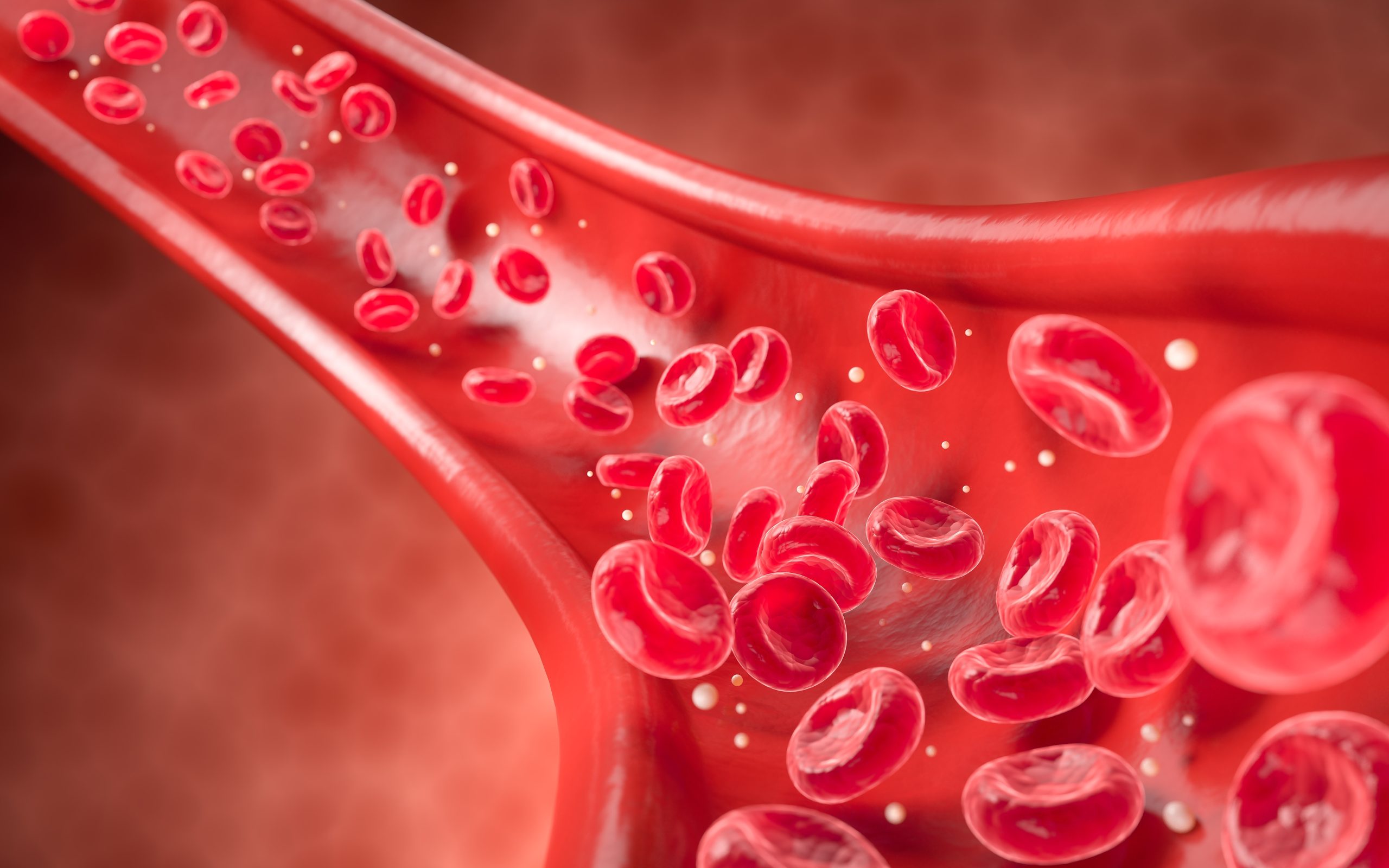
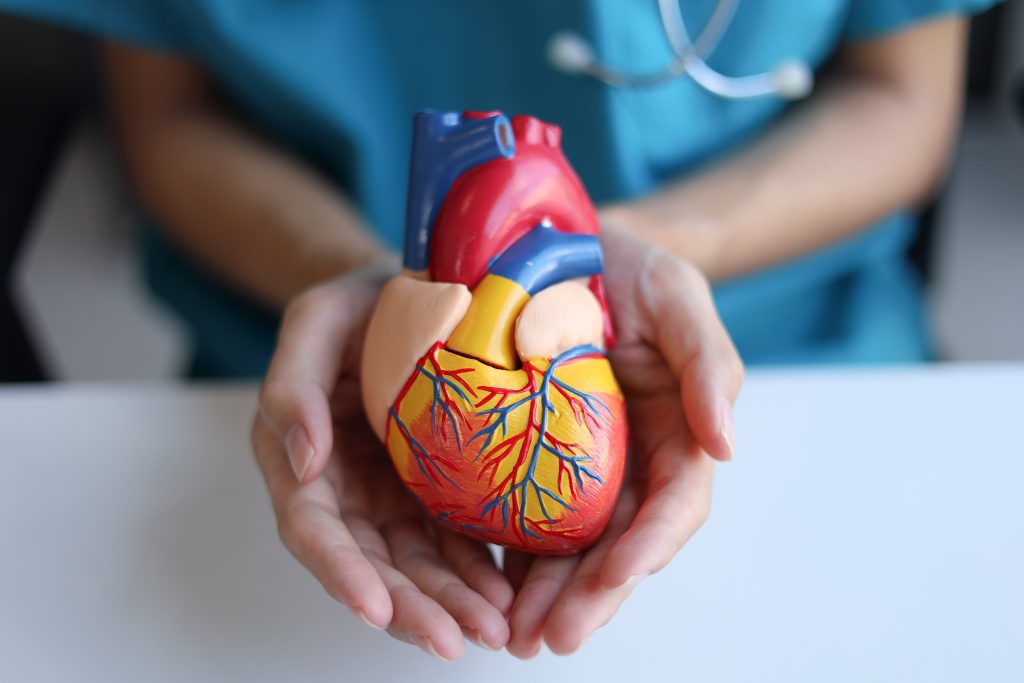
The circulatory system comprises the heart, arteries, veins, and capillaries, responsible for transporting blood, oxygen, and nutrients throughout the body.
- Importance
Proper circulation is crucial for delivering oxygen and nutrients to tissues, removing waste products, and maintaining overall cardiovascular health.

2. Strategies for Enhancing Mobility
2.1. Flexibility and Stretching
- Regular Stretching
Incorporate daily stretching exercises to improve flexibility and range of motion. Focus on major muscle groups and areas prone to stiffness.
- Dynamic Stretching
Perform dynamic stretches before physical activity to prepare muscles and joints for movement.
2.2. Strength Training
- Resistance Exercises
Engage in resistance training to build muscle strength and support joint stability. Include exercises targeting major muscle groups such as squats, lunges, and push-ups.
- Functional Movements
Incorporate functional movements that mimic everyday activities to enhance overall mobility and coordination.
2.3. Balance and Coordination
- Balance Exercises
Practice exercises such as standing on one leg, balance board activities, or tai chi to improve stability and prevent falls.
- Coordination Drills
Include activities that challenge hand-eye coordination and fine motor skills, such as juggling or agility drills.
2.3. Proper Body Mechanics
- Posture Awareness
Maintain good posture during daily activities to reduce strain on the musculoskeletal system. Pay attention to body alignment while sitting, standing, and moving.
- Ergonomics
Use ergonomic equipment and practice proper body mechanics to prevent injuries, especially during work or repetitive tasks.

3. Strategies for Supporting the Circulatory System
3.1. Cardiovascular Exercise
- Aerobic Activities
Engage in regular cardiovascular exercise, such as walking, running, cycling, or swimming, to improve heart health and circulation. Aim for at least 150 minutes of moderate-intensity exercise per week.
- High-Intensity Interval Training (HIIT)
Incorporate HIIT workouts to boost cardiovascular fitness and enhance circulation.
3.2. Healthy Diet
- Heart-Healthy Foods
Consume foods rich in antioxidants, fiber, and healthy fats, such as fruits, vegetables, whole grains, and fatty fish. Reduce intake of saturated fats, trans fats, and cholesterol.
- Hydration
Drink plenty of water to support blood flow and maintain overall cardiovascular health. Aim for 8-10 glasses of water per day.
3.3. Blood Pressure Management
- Regular Monitoring
Monitor blood pressure regularly and aim to keep it within a healthy range. Consult a healthcare provider if blood pressure is consistently high or low.
- Diet and Lifestyle
Adopt a heart-healthy diet, reduce sodium intake, and engage in regular physical activity to manage blood pressure.
3.3. Stress Management
- Relaxation Techniques
Practice relaxation techniques such as deep breathing, meditation, or yoga to manage stress and support cardiovascular health.
- Stress Reduction
Implement stress-reducing activities and strategies to lower the risk of hypertension and improve overall well-being.

4. Preventive Measures and Regular Check-ups
4.1. Regular Health Screenings
- Physical Assessments
Schedule regular check-ups with a healthcare provider to assess mobility, cardiovascular health, and overall physical condition.
- Diagnostic Tests
Use diagnostic tests such as blood pressure measurements, cholesterol screenings, or imaging studies to monitor and manage circulatory health.
4.2. Injury Prevention
- Warm-Up and Cool-Down
Include warm-up and cool-down routines in your exercise regimen to prevent injuries and promote recovery.
- Proper Footwear
Wear appropriate footwear for physical activities to support foot and ankle health and prevent injuries.
4.3. Monitoring and Adjustments
- Track Progress
Monitor progress in mobility and cardiovascular fitness, and make necessary adjustments to exercise routines and lifestyle habits based on individual needs and goals.
- Seek Professional Guidance
Consult a physical therapist, fitness trainer, or healthcare provider for personalized advice and recommendations.

5. Managing Mobility and Circulatory Health Issues
5.1. Identifying Symptoms
- Pain or Discomfort
Seek medical advice if you experience persistent pain, discomfort, or swelling in the joints, muscles, or extremities.
- Circulatory Issues
Consult a healthcare provider if you notice symptoms such as shortness of breath, chest pain, or changes in skin color or temperature.
5.2. Professional Evaluation
- Consult Specialists
For persistent or severe issues, consult specialists such as orthopedic doctors, cardiologists, or physiotherapists for a thorough evaluation and treatment plan.
- Diagnostic Testing
Diagnostic tests such as MRI, ultrasound, or angiography may be used to assess mobility and circulatory system function.
5.3. Treatment and Management
- Therapies
Engage in physical therapy or other rehabilitation services as recommended to improve mobility and manage circulatory issues.
- Medications
Use medications or supplements as prescribed by healthcare providers to manage symptoms and support overall health.

6. Emergency Situations
6.1. Acute Mobility Issues
- Seek Immediate Care
If you experience sudden loss of movement, severe pain, or injury, seek emergency medical care immediately.
- Avoid Movement
Minimize movement of the affected area until evaluated by a healthcare professional.
6.2. Acute Circulatory Issues
- Seek Immediate Care
For symptoms such as chest pain, severe shortness of breath, or signs of stroke (e.g., sudden numbness, confusion), seek emergency medical attention promptly.
- Follow Medical Advice
Adhere to treatment plans and recommendations provided by healthcare professionals for managing acute circulatory issues.
Conclusion
Maintaining optimal mobility and circulatory health is crucial for overall well-being and quality of life. By incorporating flexibility and strength training, supporting cardiovascular health through diet and exercise, and implementing preventive measures, you can enhance movement, improve circulation, and prevent health issues. Regular check-ups, professional evaluations, and a proactive approach to managing mobility and circulatory health will contribute to better physical function, reduced risk of injury, and improved overall vitality.