- Prof Dr Md Bipul Nazir
- October 1, 2025
- REGENactive
Vascular Health: A Comprehensive Guide to Maintaining Healthy Blood Vessels
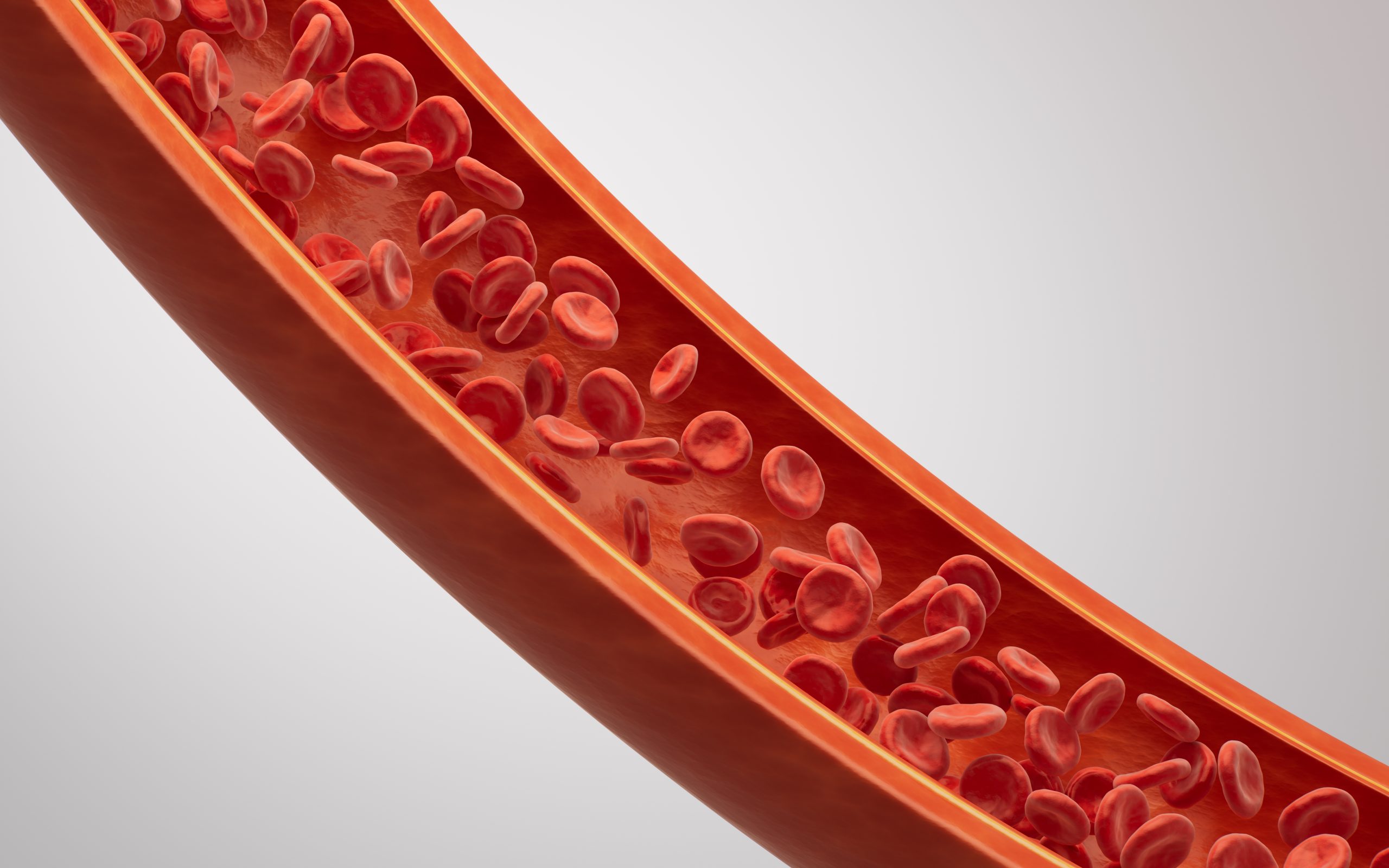
Vascular health is crucial for overall well-being, as it involves the health of blood vessels that transport blood throughout the body. Maintaining healthy arteries, veins, and capillaries is essential for preventing cardiovascular diseases, ensuring proper circulation, and supporting overall bodily functions. This guide provides a comprehensive overview of how to support and enhance vascular health through lifestyle choices, nutrition, and preventive measures.
1. Understanding Vascular Health
1.1. Components of the Vascular System
- Arteries
Blood vessels that carry oxygen-rich blood from the heart to the rest of the body.
- Veins
Blood vessels that return deoxygenated blood back to the heart.
- Capillaries
Tiny blood vessels that facilitate the exchange of oxygen, nutrients, and waste products between blood and tissues.
1.2. Common Vascular Issues
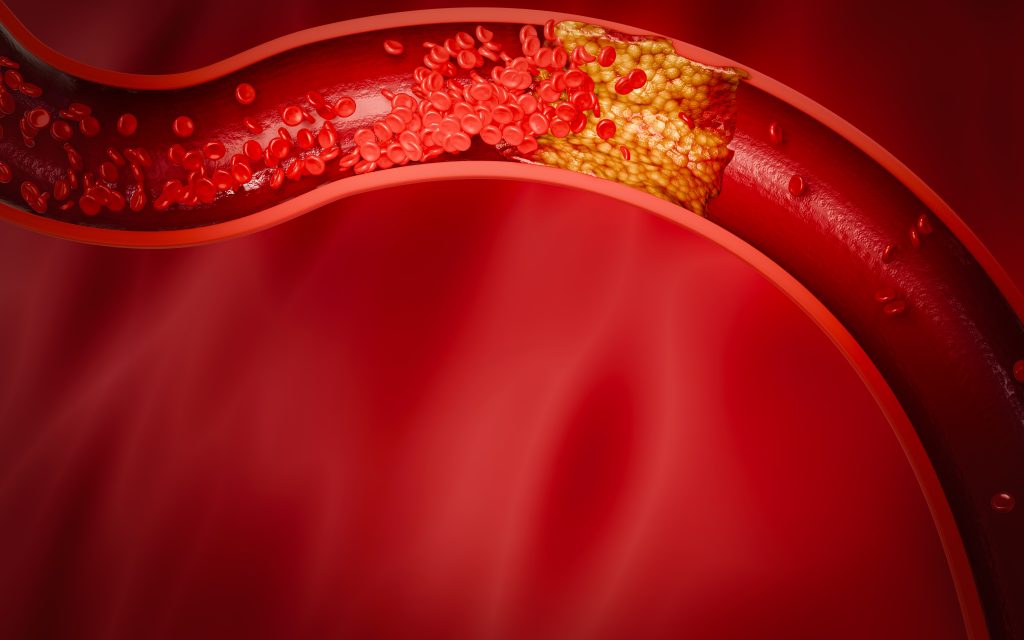
- Atherosclerosis
Build-up of plaque in the arteries, leading to reduced blood flow and increased risk of heart attack or stroke.
- Hypertension
High blood pressure that can damage blood vessels and increase the risk of cardiovascular diseases.
- Varicose Veins
Swollen, twisted veins typically found in the legs, often caused by poor circulation or vein valve issues.
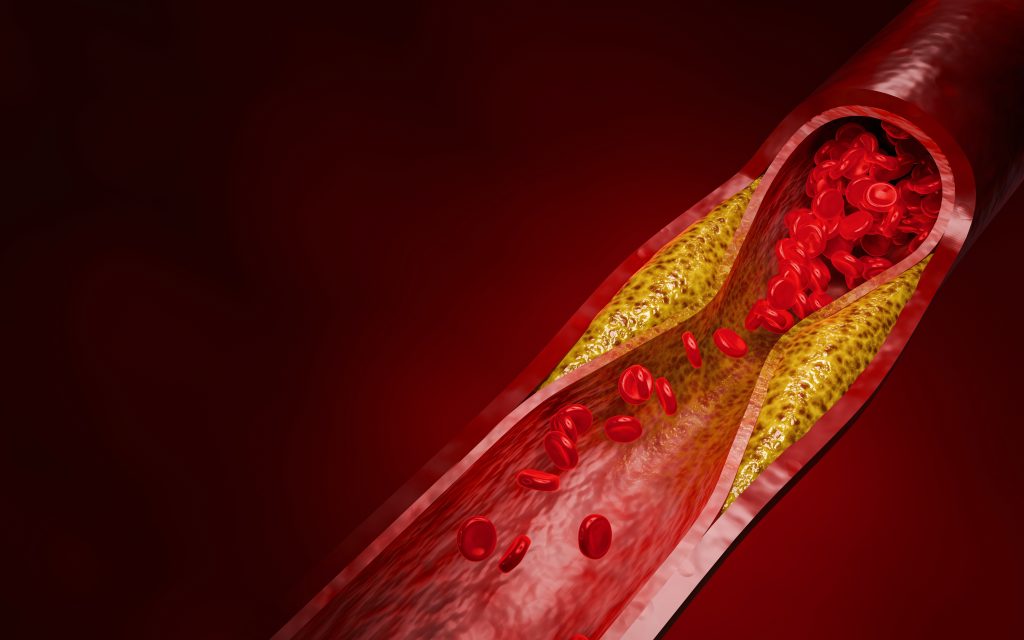
- Peripheral Artery Disease (PAD)
Narrowing of the peripheral arteries, usually in the legs, leading to reduced blood flow and pain.
2. Nutritional Strategies for Optimal Vascular Health
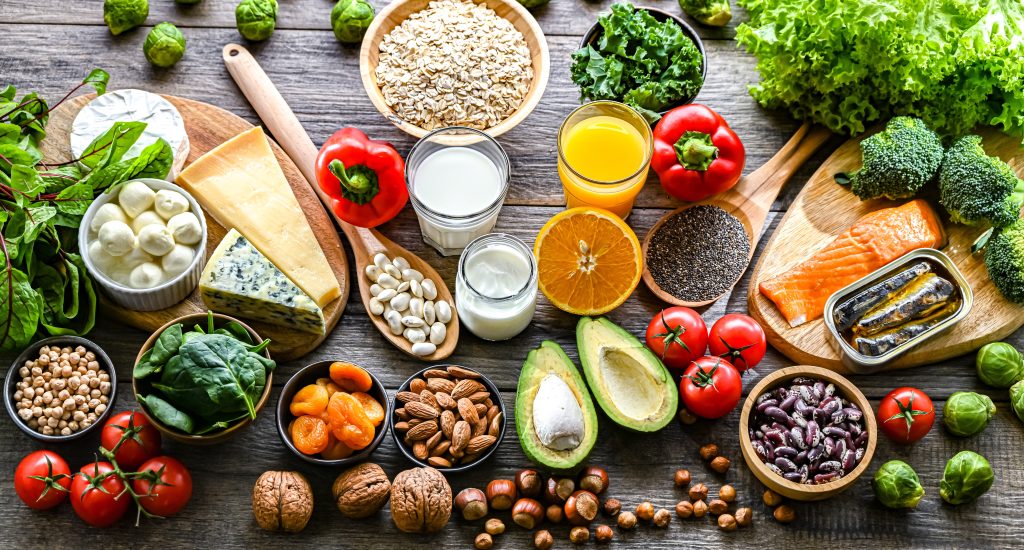
2.1. Heart-Healthy Foods
- Fruits and Vegetables
Consume a variety of colorful fruits and vegetables to provide essential vitamins, minerals, and antioxidants that support vascular health.
- Whole Grains
Include whole grains like oats, brown rice, and quinoa to promote healthy cholesterol levels and reduce inflammation.
- Lean Proteins
Opt for lean sources of protein, such as poultry, fish, and legumes, to support overall cardiovascular health.
2.2. Healthy Fats
- Omega-3 Fatty Acids
Found in fatty fish (e.g., salmon, mackerel), flaxseeds, and walnuts, these fats help reduce inflammation and support healthy blood vessel function.
- Monounsaturated Fats
Found in olive oil, avocados, and nuts, these fats can help lower bad cholesterol levels and improve blood vessel health.
2.3. Reducing Sodium and Sugar
- Low Sodium
Limit sodium intake to help manage blood pressure. Avoid processed and salty foods, and choose fresh, whole foods.
- Low Sugar
Reduce consumption of added sugars to prevent weight gain and manage blood sugar levels, which can affect vascular health.

3. Lifestyle Factors Affecting Vascular Health
3.1. Regular Physical Activity
- Exercise Routine
Engage in regular aerobic exercise, such as walking, swimming, or cycling, to improve circulation, reduce blood pressure, and strengthen the heart.
- Strength Training
Incorporate strength training exercises to improve overall fitness and support vascular health.
3.2. Weight Management
- Healthy Weight
Maintain a healthy weight to reduce stress on the cardiovascular system and lower the risk of vascular issues.
- Balanced Diet
Combine a balanced diet with regular exercise to support weight management.
3.3. Avoiding Tobacco and Limiting Alcohol
- Quit Smoking
Smoking damages blood vessels and increases the risk of vascular diseases. Seek support to quit smoking and avoid tobacco products.
- Limit Alcohol
Consume alcohol in moderation to avoid negative effects on blood pressure and vascular health.

4. Preventive Measures and Regular Check-ups
4.1. Monitoring Blood Pressure
- Regular Checks
Monitor blood pressure regularly and aim to keep it within a healthy range. Consult a healthcare provider if blood pressure is consistently high.
- Lifestyle Adjustments
Make necessary lifestyle changes to manage blood pressure, such as reducing sodium intake and increasing physical activity.
4.2. Cholesterol Management
- Cholesterol Levels
Check cholesterol levels regularly and take steps to maintain healthy levels. Focus on reducing LDL (bad cholesterol) and increasing HDL (good cholesterol) through diet and lifestyle changes.
- Medications
If prescribed, take cholesterol-lowering medications as directed by a healthcare provider.
4.3. Diabetes Management
- Blood Sugar Control
Manage blood sugar levels through diet, exercise, and medication if needed to prevent vascular complications related to diabetes.
- Regular Monitoring
Monitor blood glucose levels regularly and follow a diabetes management plan.
5. Managing Vascular Health Issues
5.1. Identifying Symptoms
- Pain or Discomfort
Seek medical advice if you experience unexplained pain, numbness, or swelling in the legs or arms.
- Shortness of Breath
Consult a healthcare provider if you experience shortness of breath or chest pain, which could indicate a cardiovascular issue.
5.2. Professional Evaluation
- Consult Specialists
For persistent or severe symptoms, consult a cardiologist or vascular specialist for a thorough evaluation.
- Diagnostic Tests
Diagnostic tests such as ultrasound, angiography, or blood tests may be used to assess vascular health and identify underlying conditions.
5.3. Treatment and Management
- Medication
Use prescribed medications to manage conditions like hypertension, high cholesterol, or PAD as directed by a healthcare provider.
- Therapies
Engage in physical therapy or other treatments as recommended to improve circulation and manage symptoms.

6. Emergency Situations
6.1. Acute Vascular Issues
- Seek Immediate Care
If you experience sudden symptoms such as severe chest pain, shortness of breath, or sudden loss of vision, seek emergency medical care immediately.
- Avoid Delay
Prompt treatment can prevent serious complications and improve outcomes.
6.2. Chronic Conditions
- Consistent Monitoring
Follow a consistent management plan for chronic vascular conditions to prevent exacerbation and maintain vascular health.
- Lifestyle Adjustments
Implement necessary lifestyle changes to manage symptoms and support overall vascular function.
Conclusion
Maintaining optimal vascular health is essential for overall well-being and quality of life. By incorporating heart-healthy foods, engaging in regular physical activity, managing weight, and avoiding harmful habits, you can effectively support and enhance vascular health. Regular monitoring, preventive measures, and professional evaluations are key components of maintaining healthy blood vessels. A proactive approach to vascular health will contribute to improved circulation, reduced risk of cardiovascular diseases, and enhanced overall vitality.