- Prof Dr Md Bipul Nazir
- October 25, 2025
- REGENactive
Optimizing Gut Health: A Comprehensive Guide to Digestive Wellness
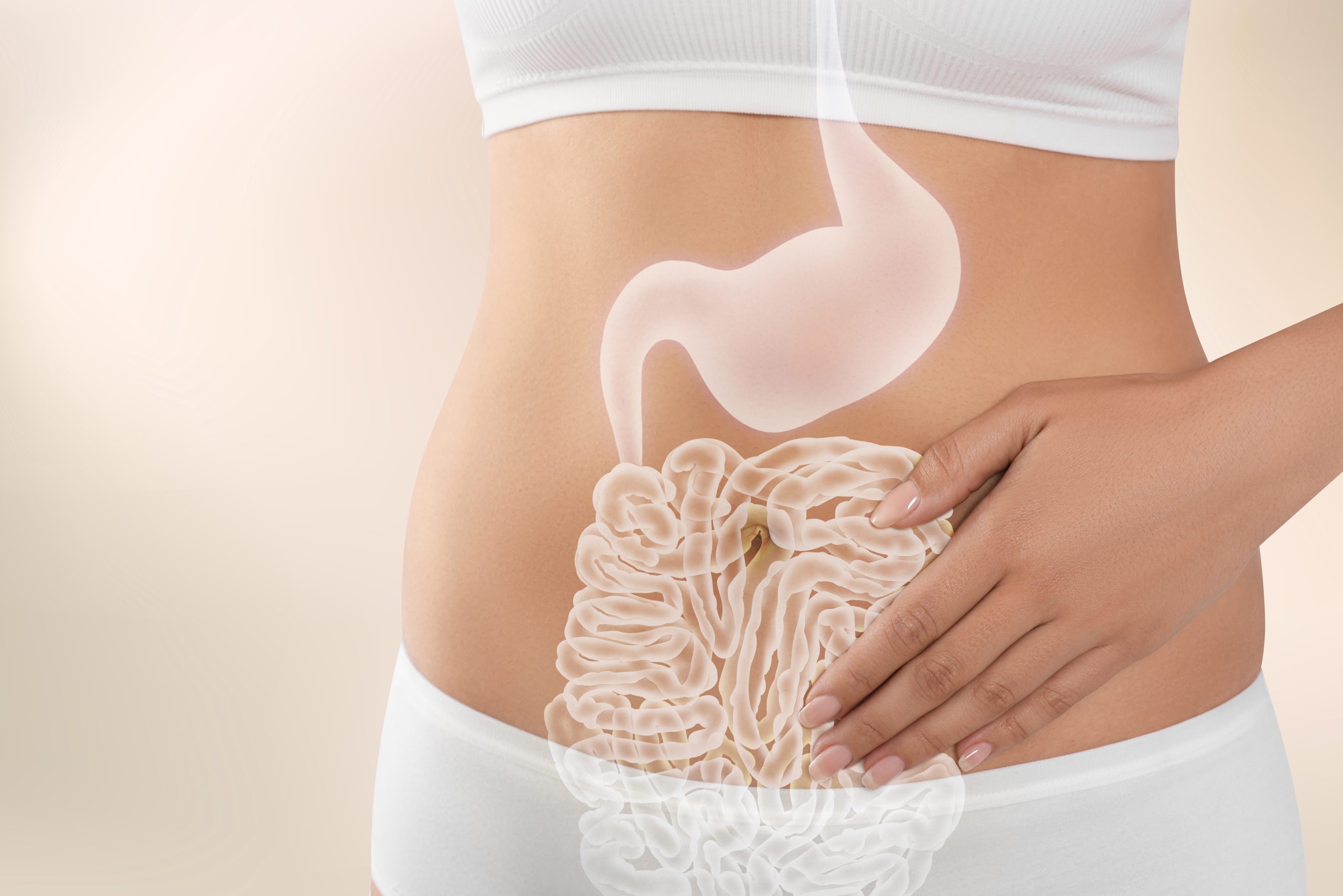
Gut health is crucial for overall well-being, as it impacts digestion, immunity, and even mental health. A healthy gut can improve nutrient absorption, support immune function, and contribute to a balanced mood. This international standard guide provides detailed strategies for enhancing gut health through nutrition, lifestyle practices, and effective management of digestive issues.
1. Nutritional Support for Gut Health
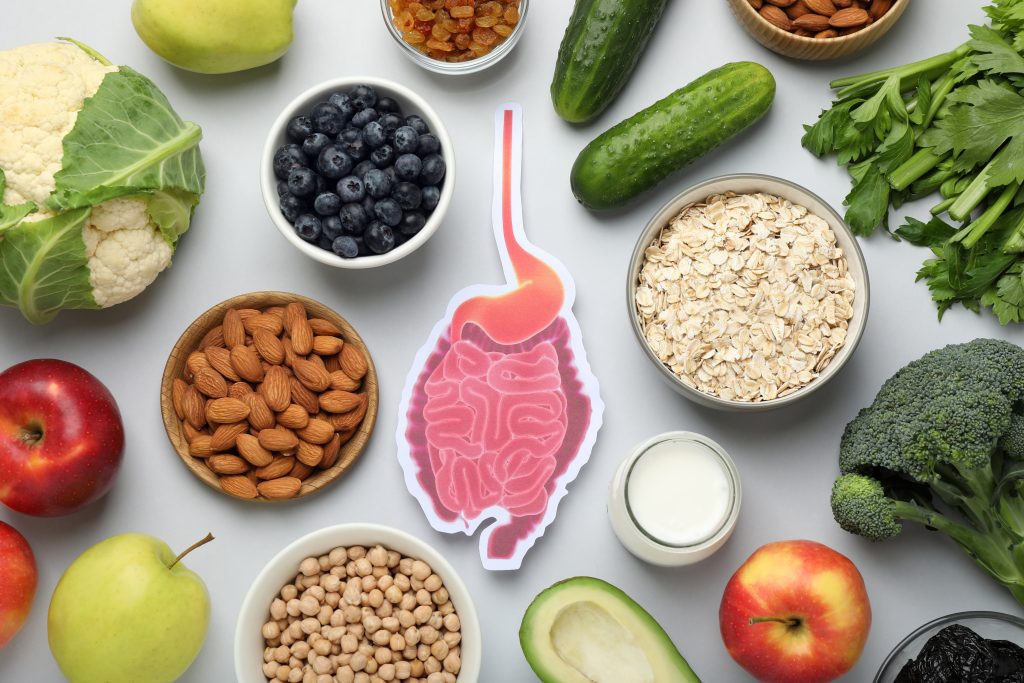
Foods to Include:
Prebiotic Foods:
- Fiber-Rich Vegetables
Garlic, onions, leeks, and asparagus promote the growth of beneficial gut bacteria.
- Whole Grains
Oats, barley, and quinoa provide soluble fiber that supports gut health.
- Fruits
Bananas, apples, and berries contain prebiotic fibers that help maintain a healthy gut microbiome.
Bone Broth:
- Nutrient-Rich
Provides amino acids like glycine and proline, which support gut lining health and aid digestion.
Hydration:
- Water
Adequate water intake is essential for digestion and maintaining a healthy gut lining.
Foods to Avoid or Limit:
- Highly Processed Foods
Packaged snacks, sugary foods, and fast food can disrupt gut health by promoting harmful bacteria growth.
- Excessive Sugar
High sugar intake can lead to an imbalance in gut bacteria and contribute to digestive issues.
- Artificial Sweeteners
Some can negatively affect gut microbiota and digestive function.

2. Lifestyle Practices for Gut Health
Balanced Diet:
- Variety
Incorporate a diverse range of foods to support a diverse gut microbiome.
- Meal Timing
Eat regular meals and snacks to support digestive rhythm and function.
Stress Management:
- Mindfulness and Relaxation
Practice techniques such as meditation, deep breathing, and yoga to manage stress, which can impact gut health.
Sleep Hygiene:
- Quality Sleep
Aim for 7-9 hours of restful sleep per night to support overall health, including gut function.
- Consistent Schedule
Maintain a regular sleep routine to help regulate digestive processes.
3. Managing Digestive Issues
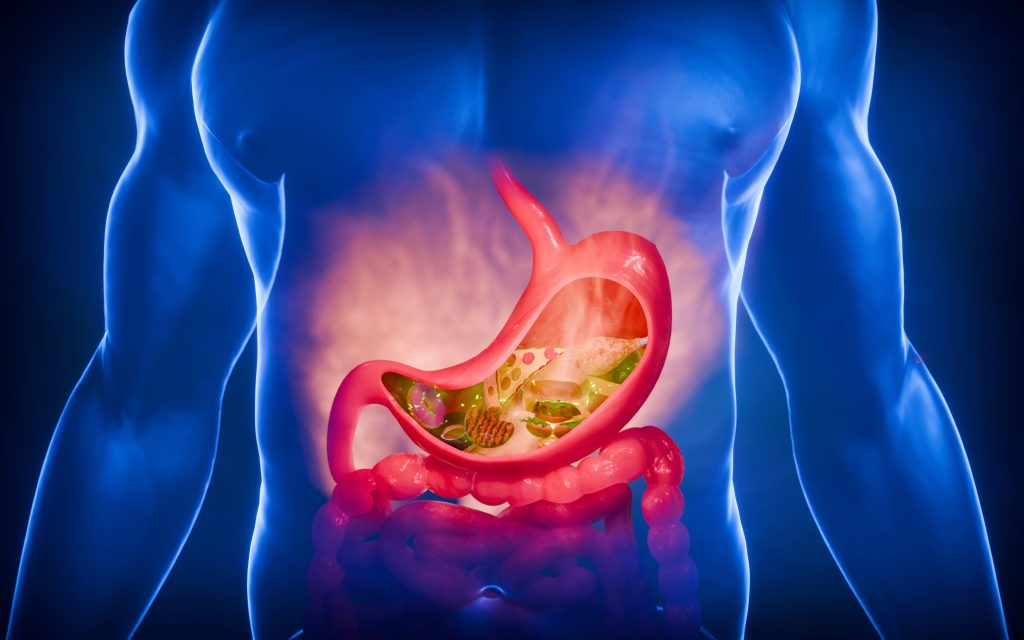
Common Digestive Disorders:
- Irritable Bowel Syndrome (IBS)
Follow a low-FODMAP diet, as advised by a healthcare professional, to manage symptoms like bloating and gas.
- Inflammatory Bowel Disease (IBD)
Work with a healthcare provider to develop a personalized diet and treatment plan for conditions like Crohn’s disease or ulcerative colitis.
- Acid Reflux
Avoid trigger foods such as spicy dishes, caffeine, and fatty foods. Eat smaller, more frequent meals and avoid lying down immediately after eating.
Gut-Friendly Habits:
- Chew Thoroughly
Properly chewing food aids digestion and nutrient absorption.
- Avoid Overeating
Eat moderate portions to avoid overloading the digestive system.

4. Preventive Measures for Gut Health
Regular Check-ups:
- Healthcare Visits
Regular consultations with healthcare providers can help monitor and manage digestive health and address any concerns.
Gut Microbiome Testing:
- Assessment
Consider microbiome testing to gain insights into your gut health and receive personalized recommendations.
Supplementation:
- Probiotics
f recommended by a healthcare provider, use high-quality probiotic supplements to support gut health.
Conclusion
Optimizing gut health involves a combination of a balanced diet, effective stress management, regular physical activity, and preventive care. By integrating these strategies into your daily routine, you can support a healthy digestive system, enhance nutrient absorption, and contribute to overall well-being. Regular consultations with healthcare professionals will provide personalized advice and ensure that you address any specific digestive concerns effectively.
Prioritizing these practices will not only improve gut health but also contribute to a healthier, more balanced life, enabling you to feel your best every day.