- Prof Dr Md Bipul Nazir
- November 10, 2025
- REGENactive
Meal plan
In today’s digital age, access to information is easier than ever. However, the abundance of health-related content online can be both a blessing and a curse. While it empowers individuals to take charge of their health, it also poses significant risks when the information is inaccurate or misleading. This article explores the dangers of relying on untrusted sources for medical advice, the critical importance of professional medical guidance, and the steps you can take to prioritize your health and well-being.
Breakfast Proposals
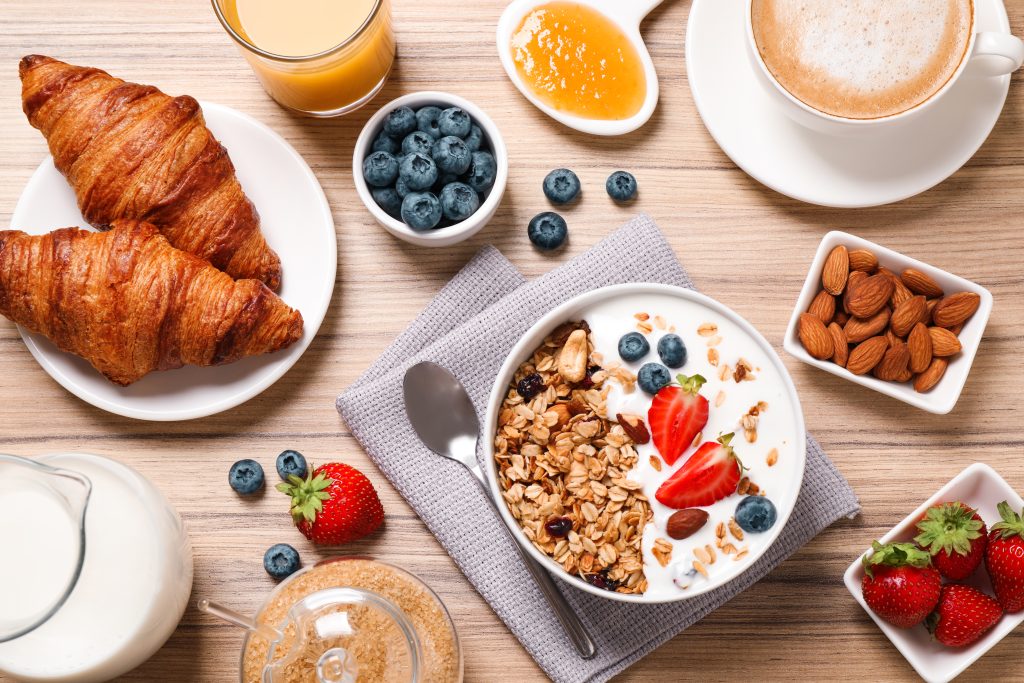
- Scrambled Eggs with Spinach and Avocado
- Greek Yogurt with Berries and Almonds
- Chia Seed Pudding with Coconut Milk and Strawberries
- Vegetable Omelette with Mushrooms, Bell Peppers, and Onions
- Smoothie with Kale, Cucumber, Green Apple, and Unsweetened Almond Milk
- Avocado Toast on Whole Grain Bread with a Poached Egg
- Cottage Cheese with Sliced Pear and Walnuts
- Boiled Eggs with a Side of Cherry Tomatoes and Cucumbers
- Baked Avocado Eggs with a Sprinkle of Chives
- Zucchini Fritters with a Side of Greek Yogurt Dip
Lunch Proposals
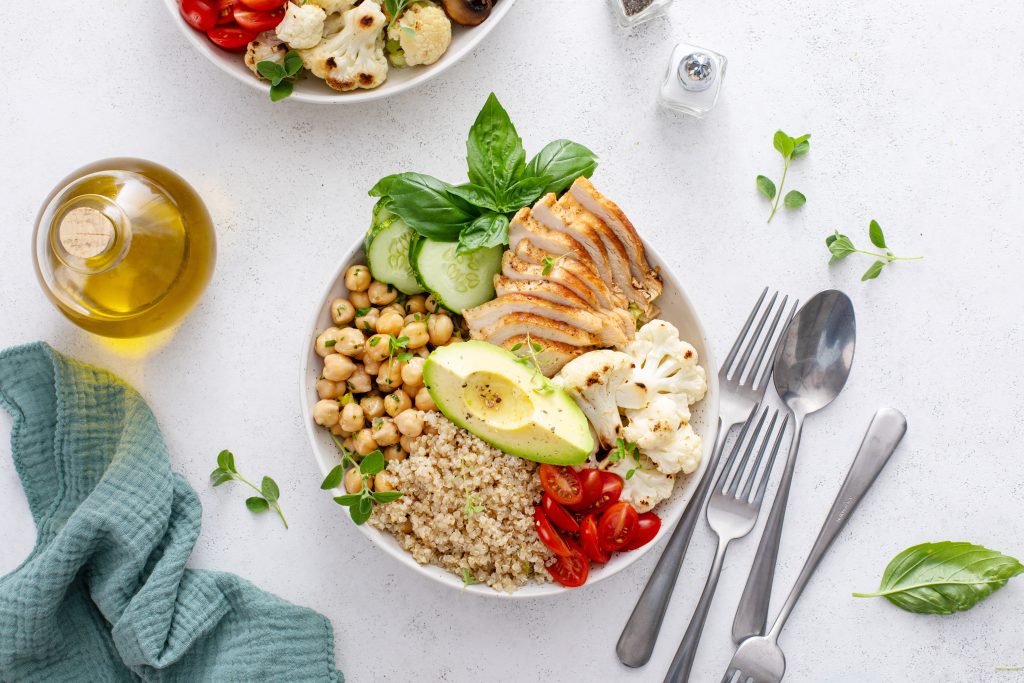
- Grilled Chicken Salad with Mixed Greens, Cucumber, and Lemon-Olive Oil Dressing
- Stir-Fried Tofu with Broccoli, Carrots, and Sesame Seeds
- Baked Salmon with a Quinoa and Spinach Salad
- Fish Lettuce Wraps with Bell Peppers, Carrots, and Hummus
- Lentil Soup with Added Vegetables (Carrots, Celery, Tomatoes)
- Grilled Shrimp with a Side of Asparagus and Cauliflower Rice
- Salmon and Avocado Salad with Cherry Tomatoes and Mixed Greens
- Vegetable Stir-Fry with Bok Choy, Mushrooms, and a Side of Quinoa
- Chicken and Vegetable Soup with Kale and Carrots
- Cobb Salad with Grilled Fish, Eggs, Avocado, and a Light Vinaigrette
Dinner Proposals
- Steamed Fish (Cod) with Sautéed Spinach and Garlic
- Baked Chicken Thighs with Roasted Brussels Sprouts and Cauliflower Rice
- Grilled Tofu with a Side of Zucchini Noodles and Tomato Sauce
- Beef Stir-Fry with Bell Peppers, Broccoli, and a Side of Shirataki Noodles
- Herb-Crusted Salmon with a Side of Roasted Vegetables (Zucchini, Bell Peppers)
- Stuffed Bell Peppers with Fish and Cauliflower Rice
- Fish Cakes with a Side of Steamed Green Beans
- Baked Cod with Lemon and Dill, served with a Cucumber Salad
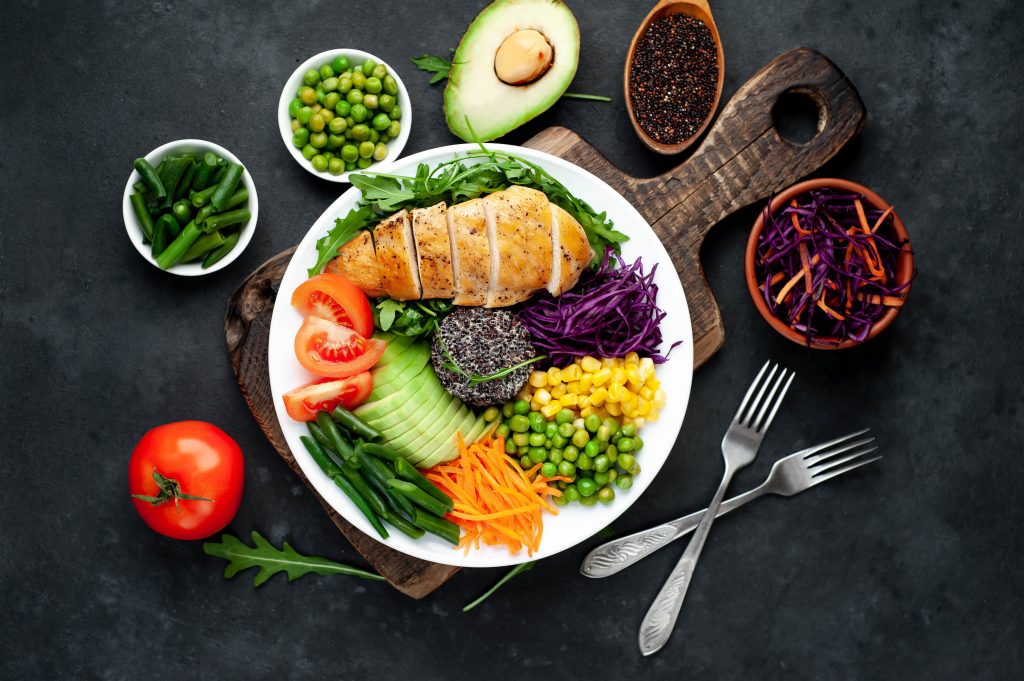
- Chicken and Vegetable Skewers with Bell Peppers, Onions, and Zucchini
- Mushroom and Spinach Stuffed Chicken Breast with a Side of Asparagus
Additional Meal Ideas
- Egg Muffins with Spinach, Mushrooms, and Cherry Tomatoes (Breakfast)
- Salmon and Avocado Salad with Mixed Greens and a Light Dressing (Lunch)
- Zoodle (Zucchini Noodle) Salad with Cherry Tomatoes and Basil Pesto (Dinner)
- Vegetable Frittata with Onions, Peppers, and a Side of Avocado (Breakfast)
- Chicken Caesar Salad with Romaine Lettuce, Grilled Chicken, and Parmesan (Lunch)
- Grilled Mackerel with a Side of Bok Choy and Steamed Brown Rice (Dinner)
- Chia Seed Smoothie Bowl with Berries and Nuts (Breakfast)
- Sardine Salad with Mixed Greens, Olives, and a Vinaigrette (Lunch)
- Grilled Lamb Chops with a Side of Steamed Broccoli (Dinner)
- Egg White Omelette with Spinach and Tomatoes (Breakfast)
- Fish Stew with Mixed Vegetables (Lunch)
- Vegetable Soup with Lentils, Carrots, and Celery (Dinner)
- Greek Yogurt Parfait with Berries and Flaxseeds (Breakfast)
- Chicken and Cabbage Stir-Fry with a Soy-Ginger Sauce (Lunch)
- Seared Tuna with a Side of Seaweed Salad (Dinner)
- Avocado and Cottage Cheese Bowl with Chia Seeds (Breakfast)
- Mixed Bean Salad with Avocado and Cilantro (Lunch)
- Shrimp and Vegetable Kebabs with a Side of Quinoa (Dinner)
- Baked Eggplant with Tomato Sauce and Fresh Basil (Lunch)
- Grilled Portobello Mushrooms with Spinach and Garlic (Dinner)
These meal ideas incorporate fish as a lean protein source, offering a variety of flavors and nutrients while adhering to dietary guidelines that prioritize low carbohydrates, no added sugars, and unprocessed foods.
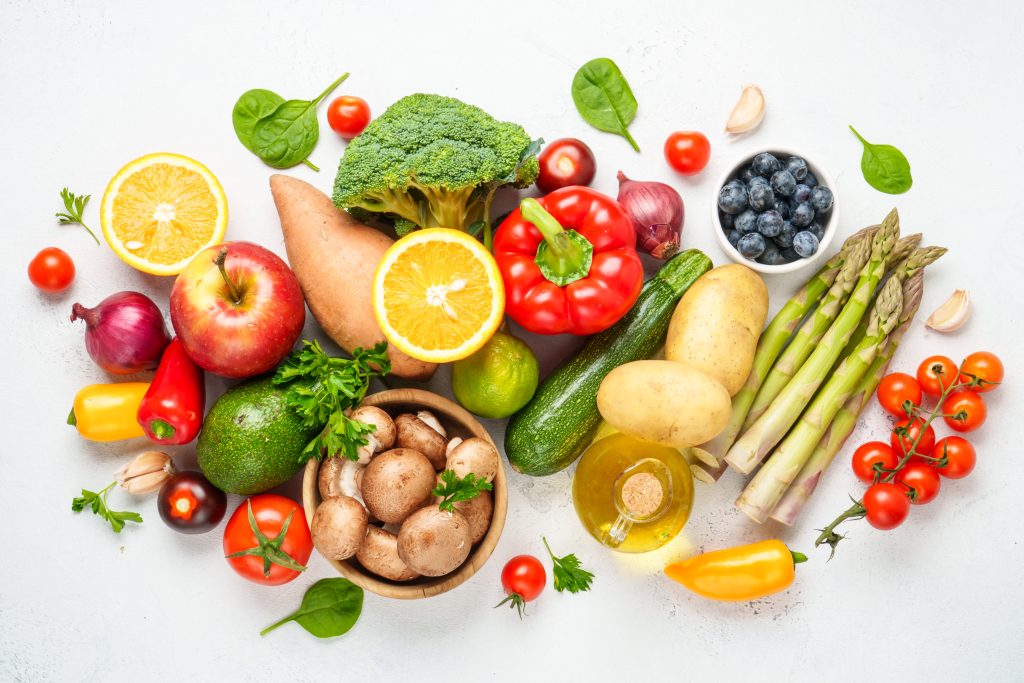
100 Vegetables
- Spinach
- Kale
- Lettuce
- Bok Choy
- Swiss Chard
- Broccoli
- Cauliflower
- Brussels Sprouts
- Cabbage
- Carrots
- Radishes
- Turnips
- Beets (in moderation)
- Bell Peppers (red, yellow, green)
- Zucchini
- Eggplant
- Cucumbers
- Asparagus
- Mushrooms (various types)
- Onions (red, white, yellow)
- Garlic
- Tomatoes
- Celery
- Green Beans
- Snap Peas
- Snow Peas
- Artichokes
- Leeks
- Fennel
- Butternut Squash
- Acorn Squash
- Spaghetti Squash
- Pumpkin
- Sweet Potatoes (in moderation)
- Chayote
- Bitter Melon
- Okra
- Kohlrabi
- Collard Greens
- Mustard Greens
- Arugula
- Watercress
- Romaine Lettuce
- Endive
- Radicchio
- Jicama
- Parsnips (in moderation)
- Rutabaga
- Turnip Greens
- Dandelion Greens
- Seaweed (e.g., nori, kelp)
- Daikon Radish
- Napa Cabbage
- Mizuna
- Cress
- Chard
- Mustard
- Beet Greens
- Sweet Corn (fresh, in moderation)
- Broccolini
- Sunchokes (Jerusalem Artichokes)
- Taro Root
- Lotus Root
- Yams (in moderation)
- Jujube
- Cucumber Melon
- Sorrel
- Green Onions (Scallions)
- Leeks
- Green Peppers
- Yellow Squash
- Hubbard Squash
- Cabbage Sprouts
- Sea Beans (Salicornia)
- Bamboo Shoots
- Chard
- Celeriac (Celery Root)
- Purslane
- Lovage
- Cardoon
- Tatsoi
- Rapini (Broccoli Rabe)
- Kelp
- Ginger Root
- Galanga Root
- Thai Basil
- Cilantro
- Dill
- Sage
- Tarragon
- Lemon Grass
- Water Chestnuts
- Fiddlehead Ferns
- Borage
- Chervil
- Edamame
- Okra
- Amaranth Greens
- Fennel Fronds
- Beetroot Leaves
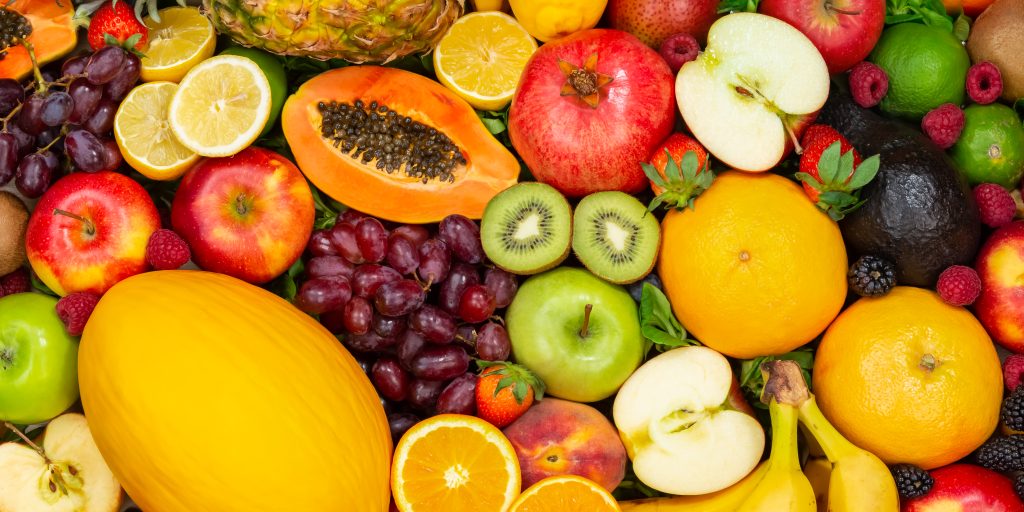
100 Fruits
- Blueberries
- Strawberries
- Raspberries
- Blackberries
- Lemons
- Limes
- Oranges (in moderation)
- Grapefruits (in moderation)
- Apples (preferably tart varieties)
- Pears
- Kiwis
- Avocados
- Cranberries (fresh or unsweetened)
- Plums
- Peaches (in moderation)
- Nectarines (in moderation)
- Cherries (in moderation)
- Pineapple (in moderation)
- Papaya (in moderation)
- Guava
- Passion Fruit
- Starfruit (Carambola)
- Cantaloupe (in moderation)
- Honeydew Melon (in moderation)
- Watermelon (in moderation)
- Pomegranate
- Figs (fresh, in moderation)
- Apricots
- Mangos (in moderation)
- Grapes (in moderation)
- Lychee (in moderation)
- Persimmons (in moderation)
- Dragon Fruit (Pitaya)
- Tangerines (in moderation)
- Clementines (in moderation)
- Dates (in moderation, fresh or unsweetened)
- Prunes (unsweetened, in moderation)
- Gooseberries
- Elderberries
- Mulberries
- Rhubarb (used more as a vegetable)
- Passionfruit
- Pomelo
- Tamarind (in moderation)
- Cranberry
- Boysenberries
- Currants (fresh)
- Loquats
- Quince
- Soursop (Graviola) (in moderation)
- Bael Fruit
- Medlar
- Longan
- Jujube
- Jabuticaba
- Persimmon
- Buddha’s Hand
- Rambutan
- Mangosteen
- Salak (Snake Fruit)
- Fig Leaf Gourd
- Cherimoya
- Black Sapote
- Ice Cream Bean
- Custard Apple
- Prickly Pear
- Apple Pear (Nashi Pear)
- Cactus Fruit
- Surinam Cherry
- Rose Apple
- Asian Pear
- Yellow Dragon Fruit
- Cherimoya
- Quince
- Kiwi Berries
- Olive (fresh or preserved)
- Yunnan Hackberry
- Cloudberry
- Camu Camu
- Jaboticaba
- Feijoa
- Salak (Snake Fruit)
- Langsat
- Kiwano (Horned Melon)
- Buddha’s Hand
- Monstera Deliciosa (Swiss Cheese Plant Fruit)
- Ximenia
- Nance
- Cape Gooseberry
- Horned Melon
- Chayote
- Cucumber Melon
- Rambutan
- Santol
- Sweet Lime (Mosambi)
- Calamansi
- Soursop
- Tamarillo
- Langsat
- Cactus Pear (Nopal)
These vegetables and fruits are nutrient-dense and provide a variety of vitamins, minerals, and antioxidants to support a balanced and healthy diet.

For cancer patients, it’s important to avoid certain foods that may exacerbate symptoms, interfere with treatments, or affect overall health negatively. Here’s a list of fruits, foods, vegetables, and meats generally advised to be limited or avoided:
Fruits to Avoid or Limit
- High-Sugar Fruits:
- Bananas
- Grapes
- Mangoes
- Pineapples
- Dates
2. Dried Fruits
- Raisins
- Dried apricots
- Dried figs
3. Fruit Juices
- Store-bought juices (high in added sugars)
Foods to Avoid or Limit
- Processed Foods:
- Fast food
- Packaged snacks (chips, cookies)
- Instant noodles
2. Sugary Foods
- Candy
- Sugary baked goods
- Sweetened cereals
3. Refined Carbohydrates
- White bread
- White rice
- Pastries
4. Foods High in Saturated Fats
- Fried foods
- High-fat dairy products (whole milk, butter)
- Fatty cuts of meat
5. Foods with Artificial Additives
- Artificial sweeteners
- Food colorings
- Preservatives
6. Alcohol
- Beer
- Wine
- Liquor
Foods to Avoid or Limit
- Processed Foods:
- Fast food
- Packaged snacks (chips, cookies)
- Instant noodles
2. Sugary Foods
- Candy
- Sugary baked goods
- Sweetened cereals
3. Refined Carbohydrates
- White bread
- White rice
- Pastries
4. Foods High in Saturated Fats
- Fried foods
- High-fat dairy products (whole milk, butter)
- Fatty cuts of meat
5. Foods with Artificial Additives
- Artificial sweeteners
- Food colorings
- Preservatives
6. Alcohol
- Beer
- Wine
- Liquor
Vegetables to Avoid or Limit
Nightshade Vegetables (may cause inflammation in some individuals):
- Tomatoes
- Potatoes
- Eggplants
- Bell peppers
2. Cruciferous Vegetables (may cause gas and bloating in some individuals, though they are generally healthy):
- Broccoli (in large amounts)
- Brussels sprouts (in large amounts)
- Cauliflower (in large amounts)
3. Canned Vegetables (often high in sodium and preservatives):
- Canned tomatoes
- Canned beans
Meats to Avoid or Limit
Processed Meats
- Bacon
- Sausages
- Hot dogs
- Ham
2. Red Meats
- Beef
- Pork (especially fatty cuts)
3. Charred or Grilled Meats (which can produce harmful compounds)
- Charred beef
- Grilled pork
General Tips
Limit Salt
High sodium intake can lead to hypertension and other health issues.
Avoid Foods High in Added Sugars
Excess sugar can contribute to inflammation and other health issues.
Opt for Fresh, Whole Foods
Aim to eat fruits, vegetables, and proteins in their most natural form.
It’s crucial for cancer patients to consult with a healthcare provider or a registered dietitian who specializes in oncology nutrition to create a personalized diet plan that addresses their specific health needs and treatment plan.

For individuals managing hypertension, it’s important to focus on a diet that supports healthy blood pressure levels. Here’s a list of foods and substances generally advised to be avoided or limited:
Fruits to Avoid or Limit
High-Sodium Fruits
- Canned fruits in syrup
2. High-Sugar Fruits
- Bananas (in large quantities)
- Grapes (in large quantities)
- Mangoes (in large quantities)
3. Fruit Juices
- Store-bought fruit juices (often high in added sugars and sodium)
Foods to Avoid or Limit
Processed Foods
- Fast food
- Packaged snacks (chips, cookies)
- Instant noodles
2. Sugary Foods
- Candy
- Sugary baked goods
- Sweetened cereals
3. Refined Carbohydrates
- White bread
- White rice
- Pastries
4. Foods High in Saturated Fats
- Fried foods
- High-fat dairy products (whole milk, butter)
- Fatty cuts of meat
5. Foods with Artificial Additives
- Artificial sweeteners
- Food colorings
- Preservatives
6. Alcohol
- Beer
- Wine
- Liquor
Vegetables to Avoid or Limit
Nightshade Vegetables (may cause inflammation in some individuals)
- Tomatoes
- Potatoes
- Eggplants
- Bell peppers
2. Cruciferous Vegetables (may cause gas and bloating in some individuals, though they are generally healthy)
- Broccoli (in large amounts)
- Brussels sprouts (in large amounts)
- Cauliflower (in large amounts)
3. Canned Vegetables (often high in sodium and preservatives)
- Canned tomatoes
- Canned beans
General Tips
Limit Sodium Intake
Aim to consume less than 2,300 mg of sodium per day, ideally closer to 1,500 mg.
Focus on Whole Foods
Emphasize fresh fruits, vegetables, lean proteins, and whole grains.
Use Herbs and Spices
Flavor foods with herbs and spices instead of salt.
Stay Hydrated
Drink plenty of water and avoid high-sugar and high-sodium beverages.
It is always best for individuals with hypertension to consult with a healthcare provider or a registered dietitian to create a personalized dietary plan that addresses their specific health needs and conditions.

For individuals managing diabetes, focusing on a balanced diet that helps regulate blood sugar levels is essential. Here’s a list of foods and substances generally advised to be avoided or limited:
Fruits to Avoid or Limit
High-Sugar Fruits
- Bananas
- Grapes
- Mangoes
- Pineapples
- Dates
2. Dried Fruits
- Raisins
- Dried apricots
- Dried figs
3. Fruit Juices
- Store-bought fruit juices (high in added sugars)
Foods to Avoid or Limit
Refined Carbohydrates
- White bread
- White rice
- Pastries and sugary cereals
2. Sugary Foods
- Candy
- Cookies
- Cake and other baked goods with added sugars
3. High-Glycemic Index Foods
- Regular potatoes (opt for sweet potatoes in moderation)
- White pasta
- Instant oatmeal
4. Processed Foods
- Fast food (high in unhealthy fats and sugars)
- Packaged snacks (chips, pretzels)
5. Foods High in Saturated and Trans Fats
- Fried foods
- High-fat cuts of meat
- Margarine and shortening
6. Sugary Beverages
- Sodas
- Energy drinks
- Sweetened coffee and tea
Meats to Avoid or Limit
Processed Meats
- Bacon
- Sausages
- Hot dogs
- Ham (often high in sodium and preservatives)
2. High-Fat Meats
- Fatty cuts of beef (e.g., ribeye, T-bone)
- Pork with visible fat
3. Breaded or Fried Meats
- Fried chicken
- Breaded pork chops
General Tips
Focus on Low-Glycemic Foods
Opt for foods that have a low impact on blood sugar levels, such as whole grains, non-starchy vegetables, and legumes.
Portion Control
Manage portion sizes to help control blood sugar levels and prevent overeating.
Include Fiber-Rich Foods
Foods high in fiber (e.g., vegetables, whole grains, legumes) can help stabilize blood sugar levels.
Healthy Fats
Choose sources of healthy fats such as avocados, nuts, and olive oil.
Regular Monitoring
Keep track of blood sugar levels regularly to understand how different foods affect your body.
Consulting with a healthcare provider or a registered dietitian specializing in diabetes management can provide personalized dietary guidance and help in developing a meal plan that supports optimal health and blood sugar control.