- Prof Dr Md Bipul Nazir
- October 10, 2025
- REGENactive
Exercise Regimens by Age Group: Guidelines for Healthy Living and Longevity
Exercise needs and capabilities evolve with age. Tailoring exercise regimens to different age groups helps optimize health, maintain physical function, and prevent injury. Here’s a breakdown of recommended exercise regimens for various age groups, from 30 to 90 years old.

1. Age 30-40: Building Strength and Endurance
Aerobic Exercise:
- Frequency
150 minutes of moderate-intensity or 75 minutes of vigorous-intensity per week.
- Activities
Running, cycling, swimming, or brisk walking. Incorporate interval training for added benefits.
Strength Training:
- Frequency
Two or more days per week.
- Activities
Weightlifting, bodyweight exercises (squats, push-ups), resistance band exercises. Focus on major muscle groups.
Flexibility and Balance:
- Frequency
2-3 times per week.
- Activities
Stretching, yoga, or Pilates to enhance flexibility and balance.
Example Weekly Schedule:
- Monday
30 minutes running + 20 minutes strength training (upper body).
- Tuesday
Rest or light activity (e.g., walking).
- Wednesday
30 minutes cycling + 20 minutes strength training (lower body)
- Thursday
Yoga or stretching session (30 minutes).
- Friday
30 minutes swimming + 15 minutes core exercises.
- Saturday
Interval training (e.g., 20 minutes high-intensity intervals).
- Sunday
Rest or light activity.
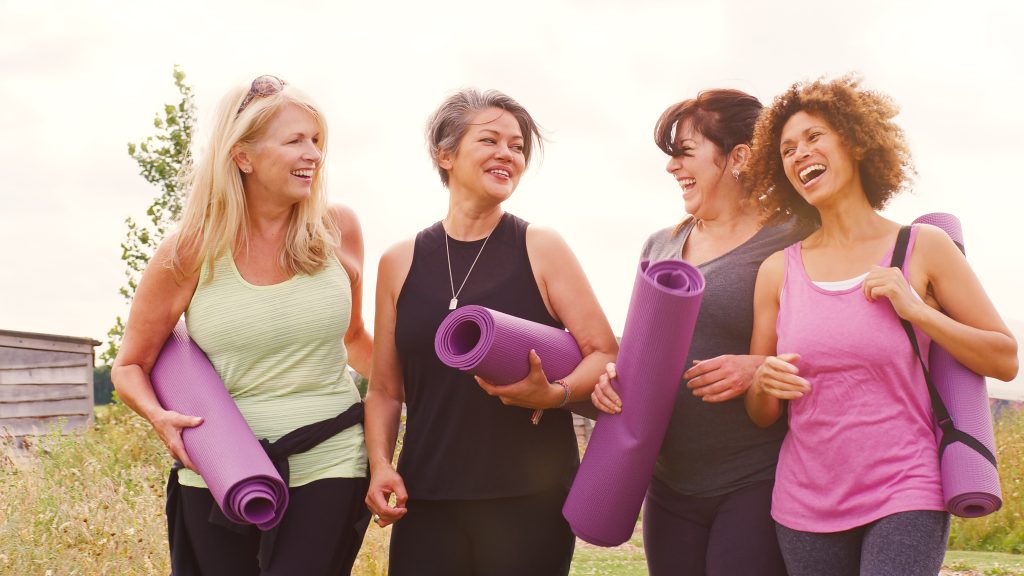
2. Age 40-50: Maintaining Strength and Flexibility
Aerobic Exercise:
- Frequency
150 minutes of moderate-intensity or 75 minutes of vigorous-intensity per week.
- Activities
Jogging, brisk walking, cycling, or swimming. Include low-impact options if needed.
Strength Training:
- Frequency
Two or more days per week.
- Activities
Weightlifting, bodyweight exercises, resistance bands. Focus on full-body workouts and functional movements.
Flexibility and Balance:
- Frequency
2-3 times per week.
- Activities
Stretching routines, yoga, or Tai Chi to maintain flexibility and balance.
Example Weekly Schedule:
- Monday
30 minutes brisk walking + 20 minutes strength training (full body).
- Tuesday
Rest or light stretching.
- Wednesday
30 minutes cycling + 15 minutes core strengthening.
- Thursday
Yoga or Tai Chi session (30 minutes).
- Friday
30 minutes swimming + 15 minutes strength training (focus on upper body).
- Saturday
Moderate-intensity interval training (20 minutes).
- Sunday
Rest or light activity.
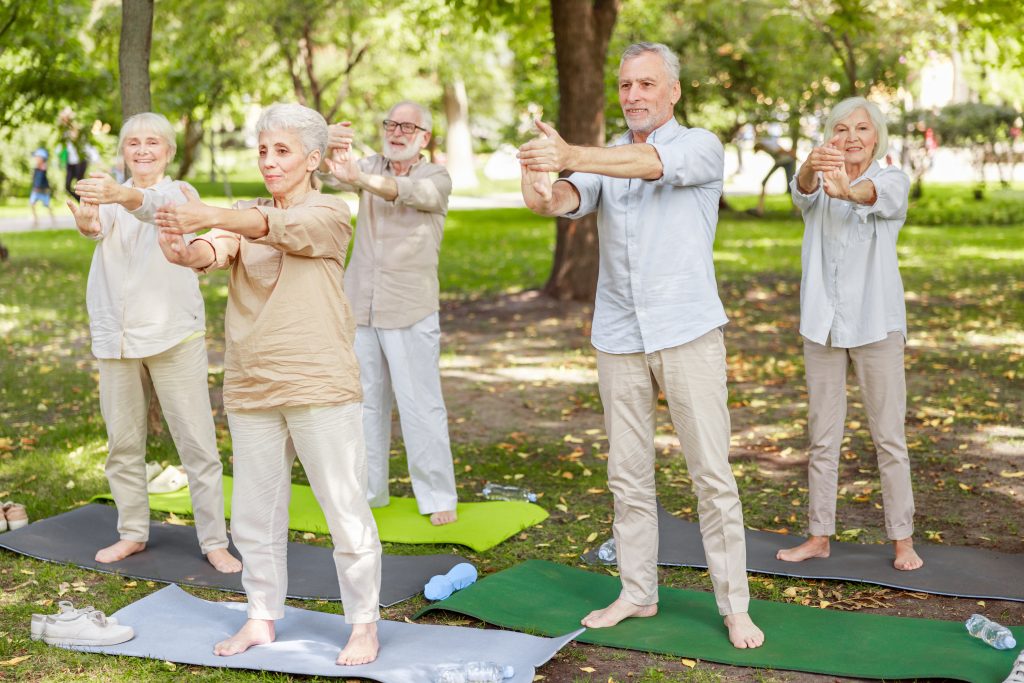
3. Age 50-60: Focus on Mobility and Functional Fitness
Aerobic Exercise:
- Frequency
150 minutes of moderate-intensity per week.
- Activities
Walking, cycling, or swimming. Emphasize low-impact activities to reduce joint stress.
Strength Training:
- Frequency
Two or more days per week.
- Activities
Bodyweight exercises, light to moderate weightlifting, resistance bands. Focus on functional movements that improve daily life activities.
Flexibility and Balance:
- Frequency
2-3 times per week.
- Activities
Gentle stretching, yoga, or Pilates to maintain mobility and balance.
Example Weekly Schedule:
- Monday
30 minutes walking + 20 minutes strength training (full body with emphasis on legs and core).
- Tuesday
Rest or light stretching.
- Wednesday
30 minutes cycling + 15 minutes balance exercises.
- Thursday
Yoga or stretching session (30 minutes).
- Friday
30 minutes swimming + 20 minutes strength training (focus on upper body).
- Saturday
Gentle interval training or brisk walking (20 minutes).
- Sunday
Rest or light leisure activity.

4. Age 60-70: Enhancing Stability and Joint Health
Aerobic Exercise:
- Frequency
150 minutes of moderate-intensity per week.
- Activities
Walking, swimming, or water aerobics. Emphasize low-impact and joint-friendly exercises.
Strength Training:
- Frequency
Two or more days per week.
- Activities
Resistance bands, light weights, bodyweight exercises. Focus on maintaining muscle mass and functional strength.
Flexibility and Balance:
- Frequency
2-3 times per week.
- Activities
Stretching, Tai Chi, or gentle yoga to improve flexibility and prevent falls.
Example Weekly Schedule:
- Monday
0 minutes walking + 20 minutes strength training (full body with emphasis on balance).
- Tuesday
Rest or gentle stretching.
- Wednesday
30 minutes water aerobics + 15 minutes core strengthening.
- Thursday
Tai Chi or gentle yoga session (30 minutes).
- Friday
30 minutes swimming + 15 minutes strength training (focus on upper body).
- Saturday
Gentle walk or light activity (20 minutes).
- Sunday
Rest or low-impact leisure activity.

5. Age 70-90: Promoting Mobility and Wellness
Aerobic Exercise:
- Frequency
150 minutes of moderate-intensity per week.
- Activities
Walking, chair exercises, or water aerobics. Focus on maintaining mobility and cardiovascular health.
Strength Training:
- Frequency
Two or more days per week.
- Activities
Chair exercises, light resistance bands, or light weights. Prioritize safety and functional strength.
Flexibility and Balance:
- Frequency
2-3 times per week.
- Activities
Stretching, Tai Chi, or seated yoga to enhance flexibility and prevent falls.
Example Weekly Schedule:
- Monday
30 minutes walking or chair exercises + 20 minutes strength training (light weights or resistance bands).
- Tuesday
Rest or gentle stretching.
- Wednesday
30 minutes water aerobics + 15 minutes core strengthening.
- Thursday
Tai Chi or seated yoga session (30 minutes).
- Friday
30 minutes swimming or gentle walk + 15 minutes strength training (focus on functional movements).
- Saturday
Light activity or leisure walking (20 minutes).
- Sunday
Rest or gentle stretching.
Conclusion
Tailoring exercise regimens to specific age groups helps address unique physical needs and promotes overall health. For each decade, focus on aerobic exercise, strength training, flexibility, and balance, adjusting intensity and types of activities according to comfort and fitness levels. Hydrate properly, warm up and cool down effectively, and listen to your body to ensure a safe and beneficial exercise routine. Regular consultations with healthcare providers can offer personalized advice and help you maintain a healthy, active lifestyle throughout the years.