- Prof Dr Md Bipul Nazir
- October 20, 2025
- REGENactive
Optimizing Respiratory and Breathing Health: A Comprehensive Guide
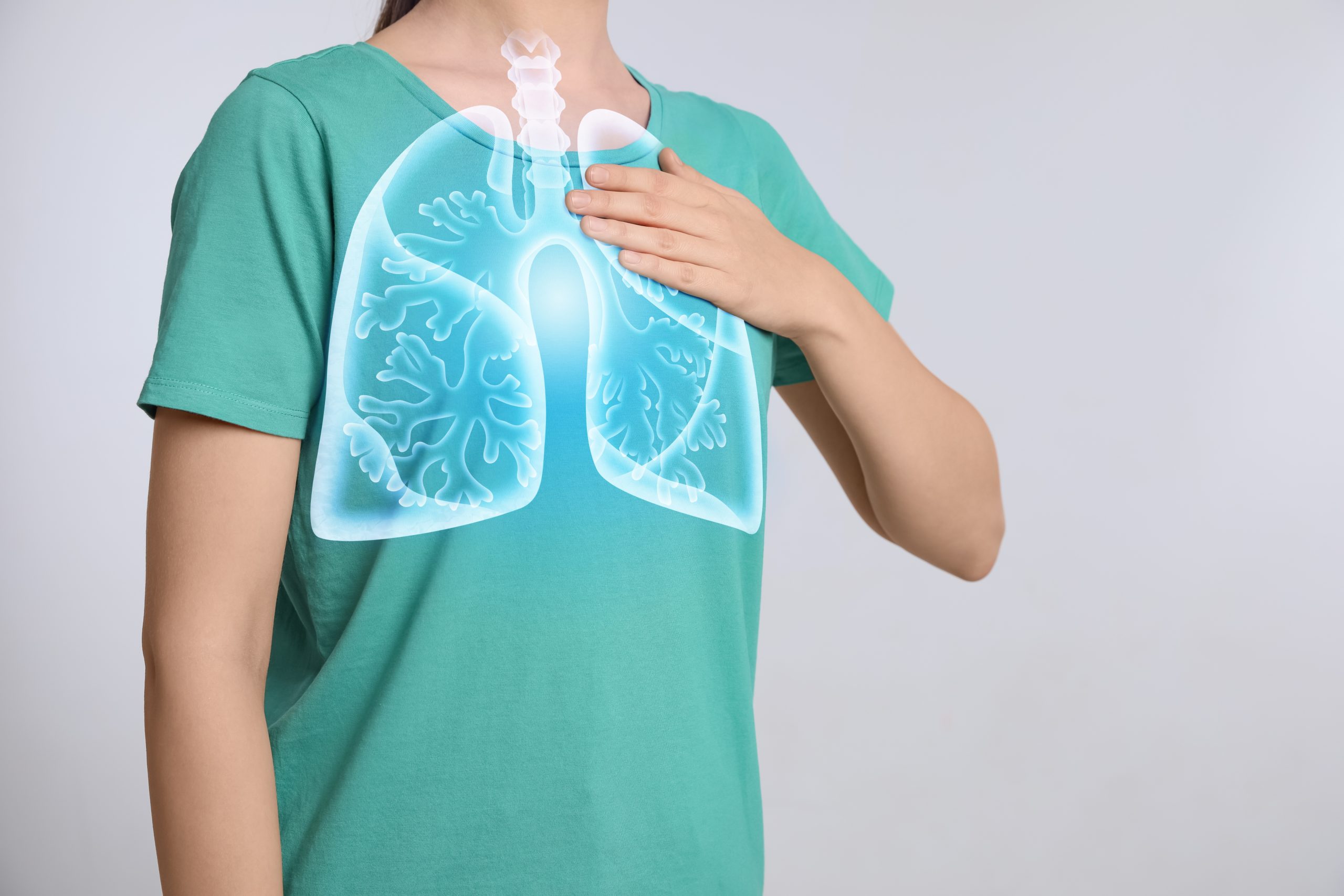
Respiratory and breathing health are fundamental to overall well-being, impacting oxygen delivery, energy levels, and quality of life. Proper care and practices can enhance lung function, prevent respiratory issues, and support overall health. This international standard guide provides detailed strategies for improving respiratory and breathing health through lifestyle choices, environmental adjustments, and effective management techniques.

1. Nutritional Support for Respiratory Health
Foods to Include:
Antioxidant-Rich Foods:
- Fruits
Berries (blueberries, strawberries), oranges, and kiwi are high in antioxidants that help reduce inflammation and support lung health.
- Vegetables
Leafy greens (spinach, kale), bell peppers, and tomatoes contain vitamins and antioxidants that promote respiratory function.
Omega-3 Fatty Acids:
- Fatty Fish
Salmon, mackerel, and sardines provide omega-3s that help reduce inflammation in the airways.
Spices and Herbs:
- Turmeric
Contains curcumin, which has anti-inflammatory properties beneficial for lung health.
- Ginger
Known for its anti-inflammatory and antioxidant effects that may benefit respiratory health.
Hydration:
- Water
Maintain adequate hydration to keep mucus membranes moist and support overall respiratory function.
Foods to Avoid or Limit:
- Processed Foods
High in sodium and additives, which can contribute to inflammation and exacerbate respiratory issues.
- Excessive Sugar
Can lead to inflammation and impact overall respiratory health.

2. Lifestyle Practices for Respiratory and Breathing Health
Breathing Exercises:
- Deep Breathing
Practice diaphragmatic breathing to enhance lung capacity and oxygen intake. Inhale deeply through the nose, allowing the abdomen to rise, then exhale slowly through the mouth.
- Pursed-Lip Breathing
Helps to control breathing and reduce shortness of breath. Inhale through the nose and exhale through pursed lips, as if blowing out a candle.
Regular Physical Activity:
- Aerobic Exercise
Activities such as walking, swimming, and cycling improve cardiovascular health and lung function.
- Strength Training
Helps to maintain overall muscle strength, which can support better breathing efficiency.
Healthy Habits:
- Avoid Smoking
Smoking damages the lungs and can lead to respiratory diseases such as chronic obstructive pulmonary disease (COPD) and lung cancer.
- Limit Exposure to Pollutants
Avoid exposure to environmental pollutants, such as vehicle exhaust and industrial chemicals, which can harm lung health.
Posture:
- Proper Posture
Maintain good posture to facilitate optimal lung expansion and breathing efficiency. Sit up straight and avoid slouching.

3. Environmental Adjustments
Air Quality:
- Indoor Air Quality
Use air purifiers to reduce indoor air pollutants and allergens. Ensure good ventilation in your home to maintain fresh air.
- Humidity Control
Maintain appropriate humidity levels (40-60%) to prevent respiratory irritation. Use a humidifier or dehumidifier as needed.
Allergen Management:
- Allergy Control
Manage indoor allergens such as dust mites, pet dander, and mold by using hypoallergenic bedding, cleaning regularly, and controlling indoor humidity.

4. Managing Respiratory Conditions
Common Respiratory Issues:
- Asthma
Follow a management plan that includes avoiding triggers, using prescribed inhalers, and monitoring symptoms.
- Chronic Obstructive Pulmonary Disease (COPD)
Work with a healthcare provider to manage symptoms through medication, pulmonary rehabilitation, and lifestyle changes.
- Allergic Rhinitis
Use antihistamines or nasal sprays as recommended and avoid known allergens.
Emergency Preparedness:
- Action Plan
Have a clear action plan for managing asthma or other respiratory conditions, including medication use and emergency contacts.
- Inhaler Use
Understand how to use inhalers correctly and keep them readily accessible.

5. Preventive Health Practices
Regular Check-ups:
- Healthcare Visits
Schedule regular visits with healthcare providers to monitor respiratory health and manage any chronic conditions.
Vaccinations:
- Flu and Pneumonia Vaccines
Get vaccinated to prevent respiratory infections such as influenza and pneumonia, especially if you are at higher risk.
Education and Awareness:
- Stay Informed
Keep up-to-date with information on respiratory health and best practices for maintaining lung function.
Conclusion
Optimizing respiratory and breathing health requires a combination of balanced nutrition, regular physical activity, effective breathing exercises, and environmental adjustments. By integrating these strategies into your daily routine, you can support lung function, enhance overall health, and improve your quality of life. Regular consultations with healthcare professionals will provide personalized advice and ensure that you address any specific respiratory concerns effectively.
Prioritizing these practices will not only improve respiratory health but also contribute to a more active, comfortable, and fulfilling life.