
- Prof Dr Md Bipul Nazir
- October 31, 2025
- REGENactive
Maintaining Optimal Tooth Health: A Comprehensive Guide to Oral Hygiene and Care
Good oral health is essential for overall well-being and quality of life. Proper care and maintenance of your teeth can prevent common issues such as cavities, gum disease, and bad breath. This international standard guide offers detailed strategies for maintaining optimal tooth health through effective hygiene practices, dietary choices, and regular dental care.
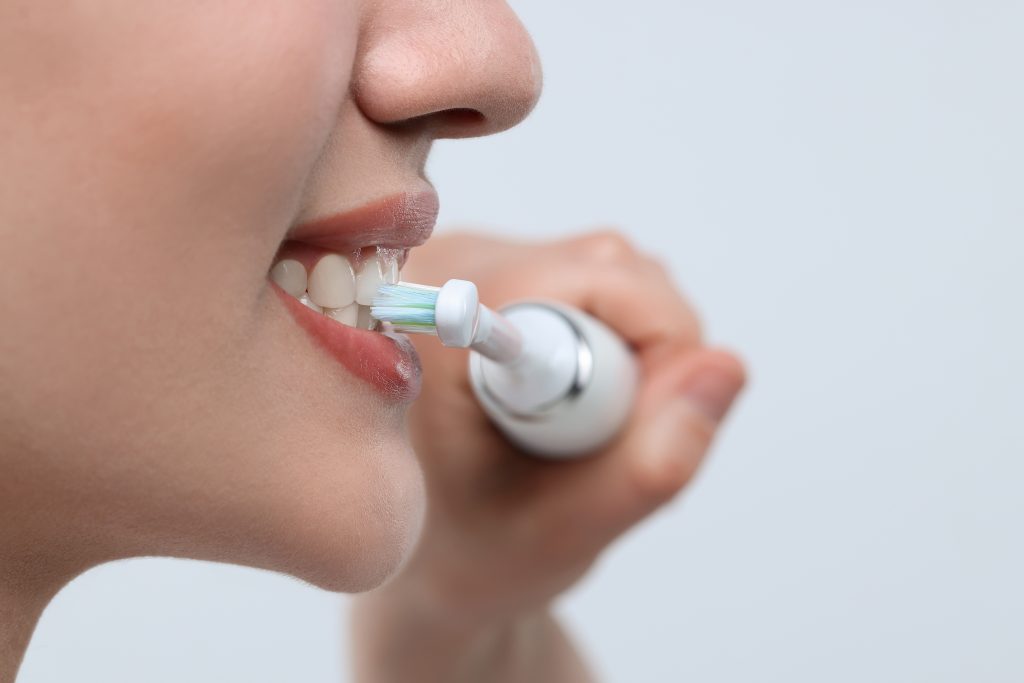
1. Daily Oral Hygiene Practices
Brushing:
- Technique
Use a soft-bristled toothbrush and fluoride toothpaste. Brush in a circular motion, ensuring you cover all surfaces of the teeth and gums.
- Duration
Brush for at least two minutes to ensure thorough cleaning.
- Replacement
Replace your toothbrush every three to four months, or sooner if the bristles become frayed.
Flossing:
- Frequency
Floss daily to remove plaque and food particles between teeth that a toothbrush can’t reach.
- Technique
Use about 18 inches of dental floss. Gently slide the floss between your teeth, curving it around each tooth and making a C-shape to clean the sides.
Mouthwash:
- Usage
Use an antimicrobial or fluoride mouthwash to help reduce plaque, prevent gum disease, and strengthen tooth enamel.
- Technique
Swish the mouthwash around your mouth for the recommended time, usually 30 seconds to one minute.
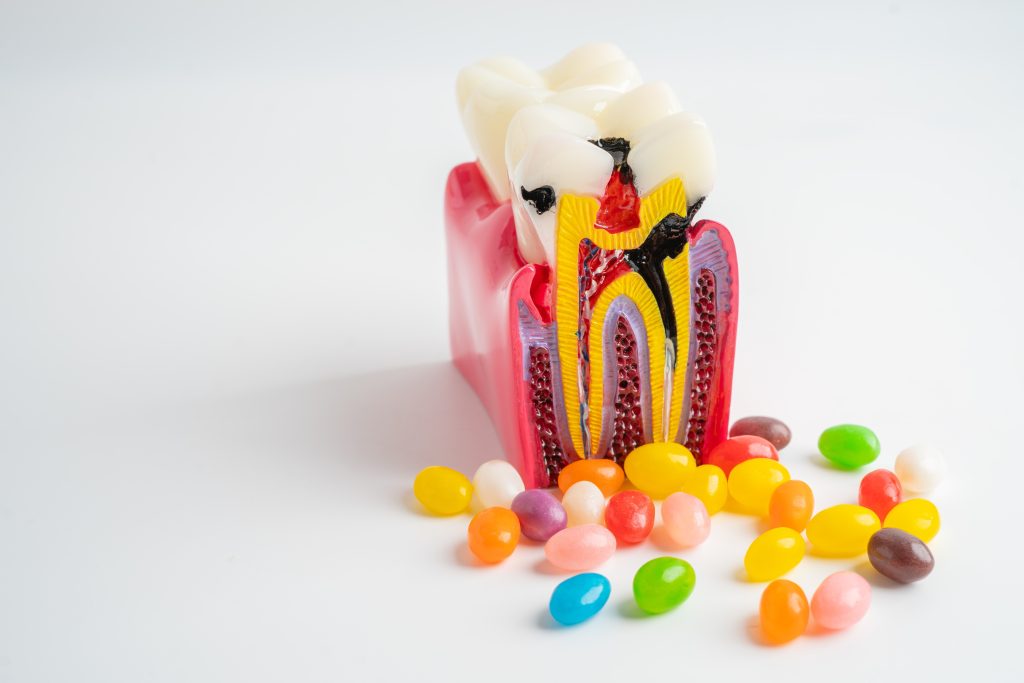
2. Dietary Choices for Tooth Health
Foods to Include:
- Fruits and Vegetables
Apples, carrots, and celery are high in water and fiber, which help clean teeth and stimulate saliva production.
- Dairy Products
Milk, cheese, and yogurt are rich in calcium and phosphates, which strengthen tooth enamel.
- Lean Proteins
Chicken, fish, and eggs provide essential nutrients that support oral health.
- Nuts and Seeds
Almonds and sesame seeds contain minerals that help maintain strong teeth.
Foods to Avoid or Limit:
- Sugary Foods and Beverages
Excessive sugar can lead to tooth decay by promoting the growth of cavity-causing bacteria.
- Acidic Foods and Drinks
Citrus fruits, soda, and wine can erode tooth enamel. If consumed, rinse your mouth with water afterward.
- Sticky Foods
Candy and dried fruits can cling to teeth and increase the risk of cavities.
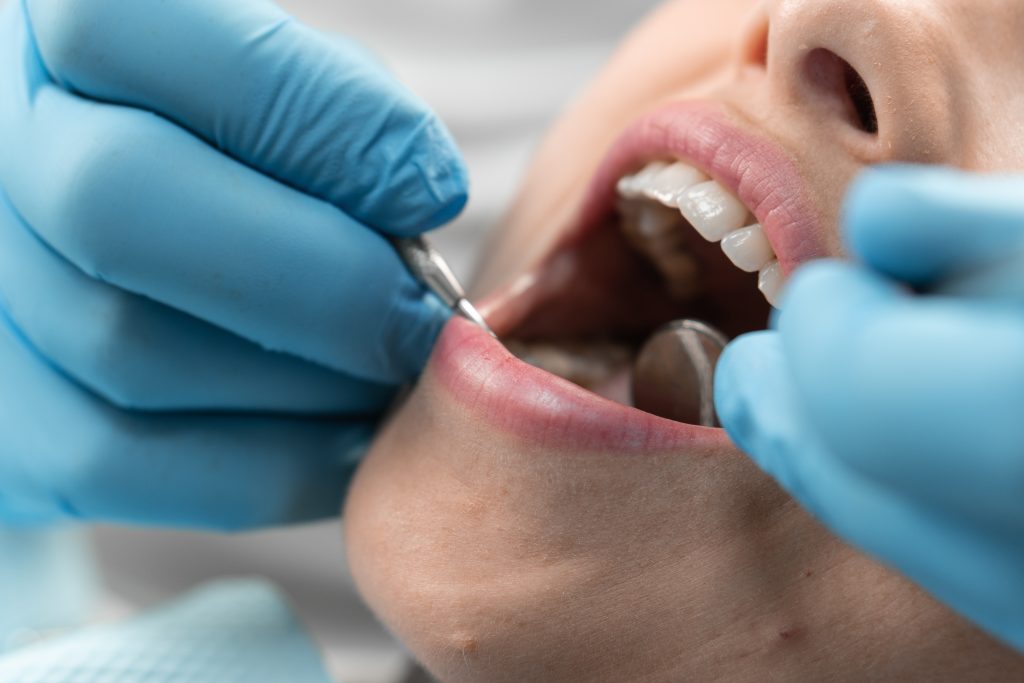
3. Regular Dental Care
Routine Visits:
- Frequency
Schedule a dental check-up every six months for professional cleanings and exams.
- Examinations
Regular dental exams help detect issues such as cavities, gum disease, and oral cancer early.
- Bone Density Testing
Regularly monitor bone density, especially if you are at higher risk for osteoporosis, to track changes and manage treatment options.
Professional Cleanings:
- Importance
Professional cleanings remove plaque and tartar build-up that cannot be removed by brushing and flossing alone.
- Frequency
Typically performed during routine dental visits.
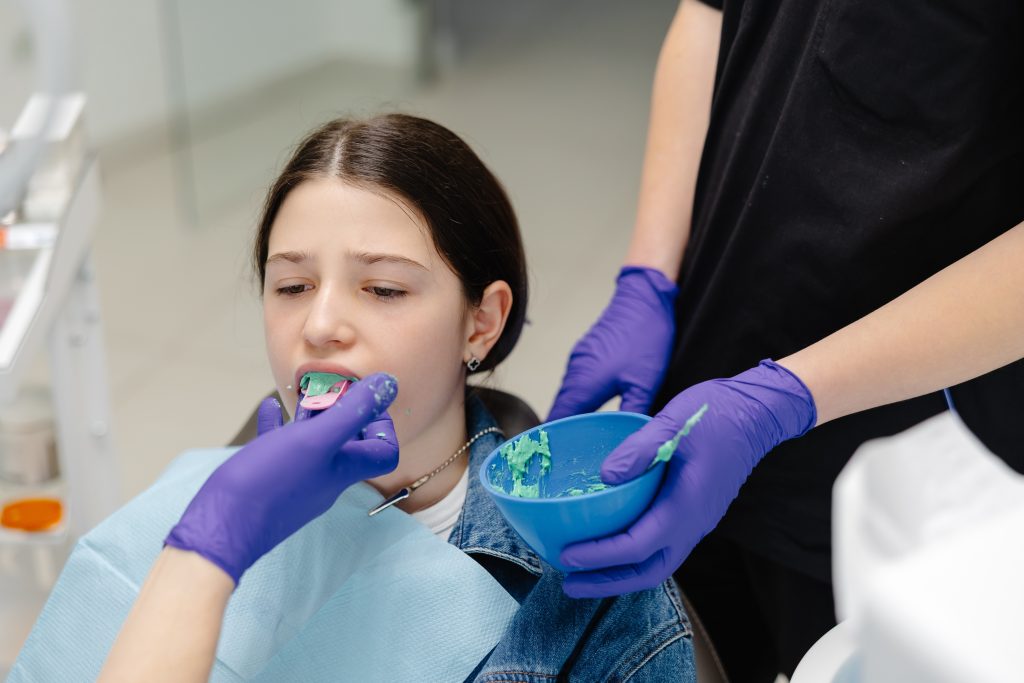
4. Preventive Measures
Dental Sealants:
- Application
Consider dental sealants, especially for children, to protect the chewing surfaces of the back teeth from decay.
- Function
Sealants provide a protective barrier against cavities.
Fluoride Treatments:
- Usage
Fluoride treatments can help strengthen tooth enamel and prevent decay. Discuss with your dentist if fluoride treatments are appropriate for you.
Mouthguards:
- Protection
Use a mouthguard if you participate in sports to protect your teeth from injury.
- Custom Fit
Consider a custom-fit mouthguard from your dentist for better protection and comfort.
5. Addressing Common Issues
Tooth Sensitivity:
- Causes
Sensitivity can result from enamel erosion, gum recession, or exposed tooth roots.
- Management
Use a desensitizing toothpaste and avoid acidic foods. Consult your dentist for further advice.
Bad Breath:
- Causes
Bad breath can be caused by poor oral hygiene, certain foods, or underlying health conditions.
- Management
Maintain good oral hygiene, stay hydrated, and address any underlying issues with your dentist.
Gum Health:
- Signs
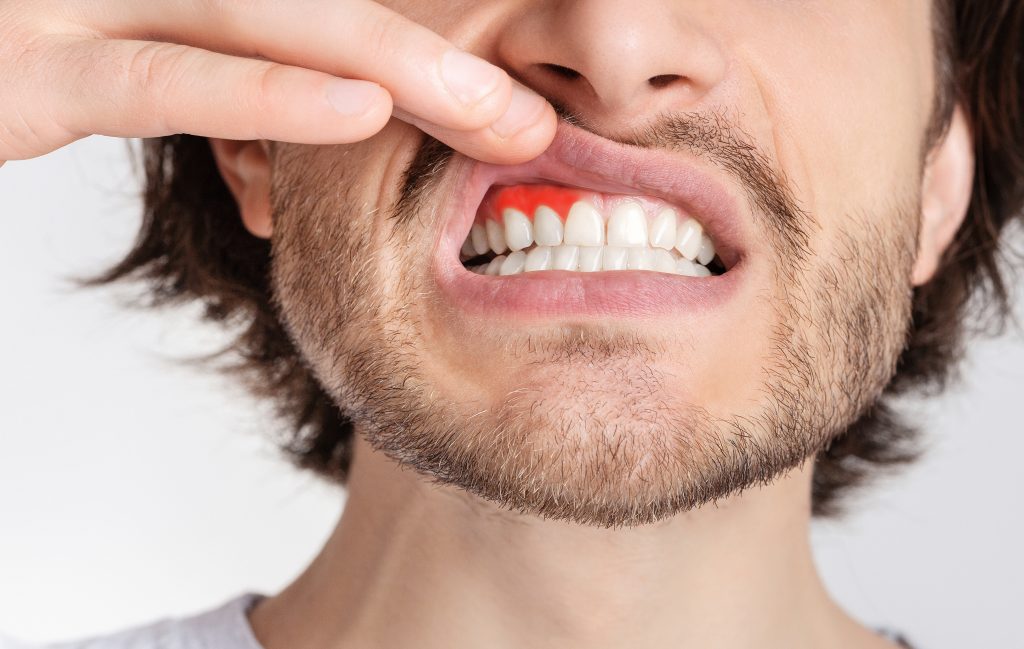
Bleeding gums, swelling, and persistent bad breath may indicate gum disease.
- Care
Practice good brushing and flossing habits and seek dental care if you notice symptoms of gum disease.
Conclusion
Maintaining optimal tooth health requires a combination of daily oral hygiene practices, healthy dietary choices, regular dental care, and preventive measures. By integrating these strategies into your daily routine, you can prevent common dental issues, support overall oral health, and enjoy a confident smile. Regular consultations with dental professionals will provide personalized advice and ensure that you address any specific dental concerns effectively.
Prioritizing these practices will not only support your dental health but also contribute to your overall well-being, enabling you to maintain a healthy, vibrant smile throughout your life.