Step-by-Step Guidelines for Practicing a Healthier Lifestyle
Be Kind to Your Body
Step 1: Start the Day with Mindful Movement Begin each day with gentle stretching or yoga to awaken your body. This practice helps increase blood flow, flexibility, and mental clarity.
Step 2: Prioritize Rest and Sleep Aim for 7-9 hours of quality sleep each night. Create a relaxing bedtime routine, such as reading or listening to calming music, to signal to your body that it’s time to rest.
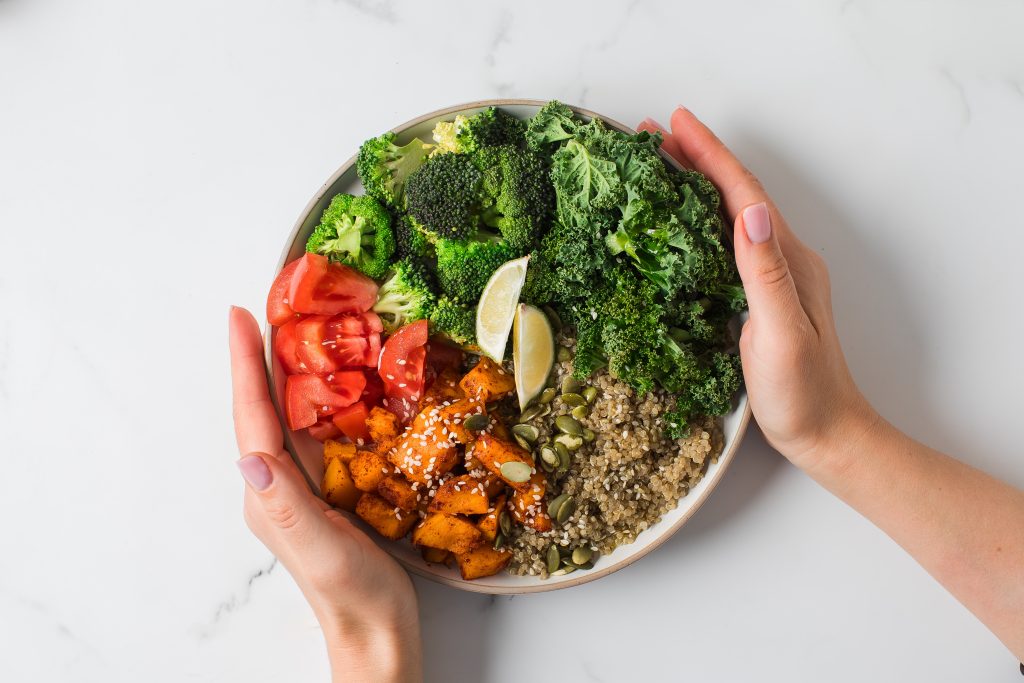
Step 3: Hydrate and Nourish Drink water throughout the day and choose balanced meals rich in nutrients. Incorporate fruits, vegetables, lean proteins, and whole grains into your diet.
Understand Your Body’s Needs
Step 1: Regular Health Check-ups Schedule annual health check-ups to monitor your overall health and address any concerns early.
Step 2: Listen to Your Body Pay attention to signs of fatigue, hunger, or discomfort. Adjust your activities and diet accordingly to meet your body’s needs.
Step 3: Educate Yourself Learn about nutrition, exercise, and wellness practices that benefit your specific health conditions or lifestyle.
Control Your Anger
Step 1: Practice Deep Breathing When feeling angry, take deep breaths to calm your mind. Inhale deeply for a count of four, hold for four, and exhale for four.
Step 2: Identify Triggers Recognize situations or thoughts that trigger anger. Reflect on these triggers and develop strategies to manage your reactions.
Step 3: Express AngerConstructively Use “I” statements to express your feelings without blaming others. For example, “I feel frustrated when…”
Control Your Emotions
Step 1: Daily Reflection
Spend a few minutes each day reflecting on your emotions. Journaling can be an effective tool for understanding and managing your feelings.
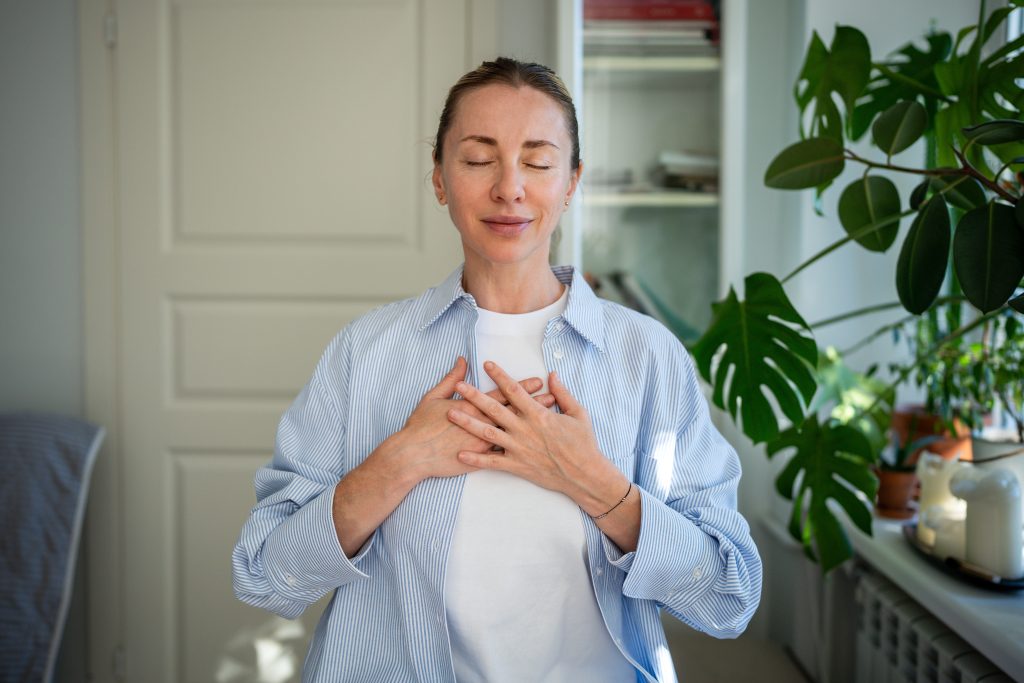
Step 2: Mindfulness Meditation
Practice mindfulness meditation to stay present and reduce emotional reactivity. Start with just 5-10 minutes a day and gradually increase the time.
Step 3: Seek Support If managing emotions becomes challenging, consider talking to a therapist or counselor for guidance and support.
Be Positive
Step 1: Practice Gratitude
Each day, write down three things you are grateful for. This practice shifts your focus towards positivity and appreciation.
Step 2: Surround Yourself with Positivity
Engage with positive people, read uplifting books, or listen to motivational podcasts. Limit exposure to negative influences that can impact your mindset.
Step 3: Set Achievable Goals
Set realistic and attainable goals for yourself. Celebrate small successes to build confidence and maintain a positive outlook.
Believe in Your Body’s Unique Healing System
Step 1: Trust in Your Body
Acknowledge and believe in your body’s natural ability to heal and recover. This mindset encourages a proactive approach to health.
Step 2: Supportive Practices
Engage in activities that support healing, such as balanced nutrition, regular exercise, and sufficient rest. Avoid habits that hinder recovery, like excessive alcohol consumption or smoking.
Step 3: Stress Management
Incorporate stress-relieving practices such as meditation, deep breathing, or hobbies that bring joy and relaxation.
Eat Healthy Foods, Avoid Harmful Substances
Step 1: Meal Planning
Plan your meals ahead of time to include a variety of fresh, whole foods. This helps ensure you consume balanced meals and avoid processed foods.
Step 2: Read Labels
Be mindful of food labels. Avoid products with high levels of preservatives, artificial additives, and sugars.
Step 3: Moderation and Balance
Practice moderation, especially with foods high in sugar, salt, and unhealthy fats. Opt for healthier alternatives and enjoy treats in moderation.
Avoid Repeatedly Heating Food
Step 1: Prepare Fresh Meals
Cook meals in portions that you can consume within a day or two to avoid the need for repeated reheating.
Step 2: Proper Storage
If you need to store food, cool it quickly and store it in airtight containers. Reheat food only once to preserve its nutritional quality.
Step 3: Portion Control
Serve only what you plan to eat and store leftovers immediately to prevent waste and reduce the need for reheating.
Practice Mindfulness
Step 1: Daily Mindfulness Practice
Dedicate a few minutes each day to mindfulness meditation or mindful breathing exercises. Focus on being present in the moment.
Step 2: Mindful Eating
Practice mindful eating by savoring each bite, paying attention to flavors, and eating slowly. This enhances digestion and enjoyment of food.
Step 3: Mindfulness in Daily Activities
Incorporate mindfulness into daily routines, such as walking, cleaning, or even working. Stay present and attentive to each task.
Be Alert to Prevent Anxiety Disorders
Step 1: Recognize Symptoms
Be aware of signs of anxiety, such as excessive worry, restlessness, or physical symptoms like a racing heart.
Step 2: Early Intervention
Address anxiety symptoms early through stress management techniques, regular exercise, and maintaining a balanced lifestyle. Seek professional help if needed.
Step 3: Build Resilience
Engage in activities that boost resilience, such as maintaining a strong support network, practicing relaxation techniques, and setting realistic goals.
Additional Tips for Success
Consistency is Key
Establish a routine that incorporates these practices into your daily life. Consistency helps in forming habits that contribute to long-term health and well-being.
Adjust as Needed
Be flexible and adjust your routine based on your needs and circumstances. Life changes, and so should your health practices.
Seek Support
Don’t hesitate to seek help from healthcare professionals, support groups, or loved ones when needed. Support and encouragement are vital for sustaining a healthy lifestyle.
By following these step-by-step guidelines, you can create a balanced, healthy lifestyle that promotes physical, mental, and emotional well-being. Remember, each step, no matter how small, contributes to your overall health journey.